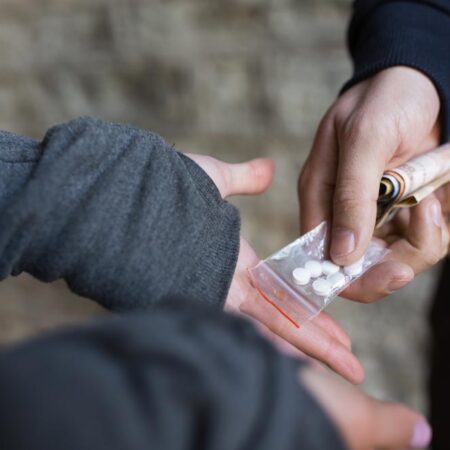

Illegal drugs in South Australia do not appear out of nowhere, however, you might not expect to find them smuggled into the state in a luxury bus!
The recent major cocaine seizure in South Australia highlights how drug supply networks sometimes operate. And it provides a better understanding of how drugs enter the country and move through to South Australia. This in turn helps explain why workplace drug testing in South Australia remains an important part of workplace safety and risk management.
A major cocaine seizure in Adelaide
In the recent drug bust, authorities uncovered a large shipment of cocaine hidden inside a luxury vehicle arriving in South Australia.
According to reports, Australian Border Force officers discovered more than 28 kilograms of cocaine concealed behind a television inside a luxury minibus. The bus was on a cargo vessel docked at Outer Harbor near Adelaide.
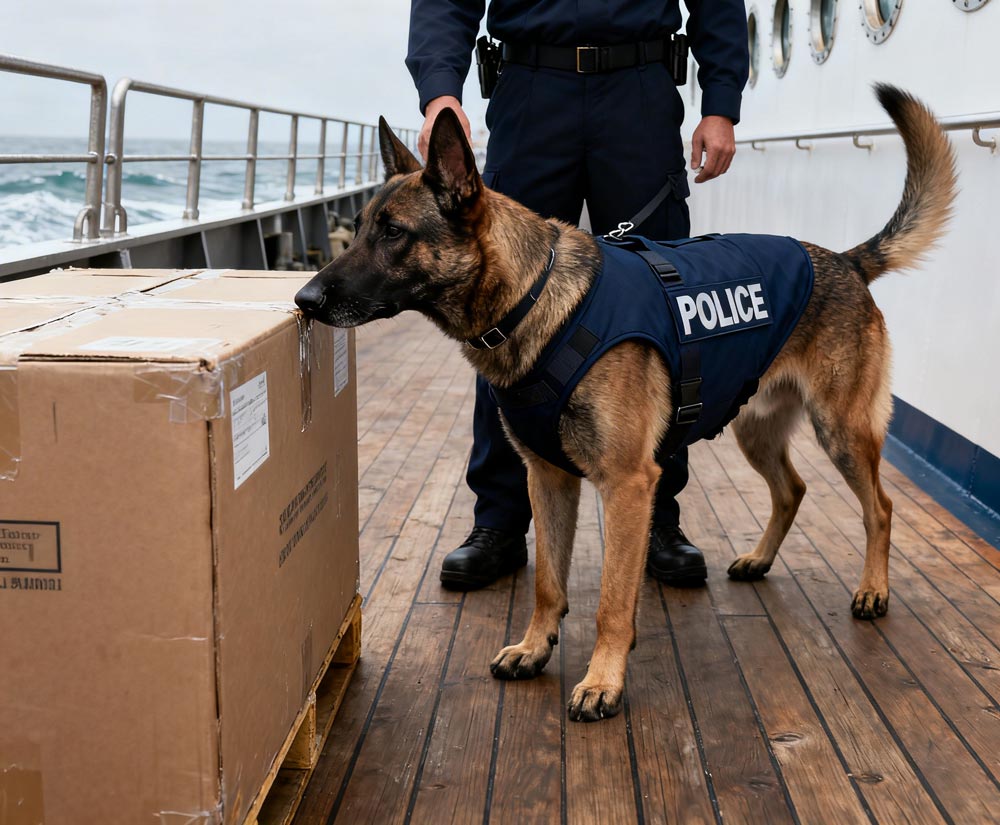
The discovery followed intelligence-led targeting that led authorities to the cargo ship. Officers used detector dogs and specialist inspection tools to search the vehicle before uncovering several one-kilogram packages of the drug hidden in the bus structure.
Authorities estimate the cocaine had a street value of around $9 million, with the potential to generate approximately 140,000 individual street deals if it had reached Australian communities.
A reminder of how drugs reach Australia
This case closely reflects what we highlighted in a recent blog about illegal drugs in the Northern Territory.
Many illegal drugs consumed in Australia begin their journey overseas before entering the country through ports, airports, or international mail systems. Once they arrive, they are moved through domestic transport networks.
Common import methods include:
- Shipping containers and sea freight
- Cargo vessels carrying vehicles or machinery
- Air passengers concealing drugs in luggage
- International mail and parcel services
The Adelaide seizure highlights how maritime freight can be used to conceal drugs inside vehicles or other cargo. Criminal networks constantly adapt their methods. When authorities disrupt one pathway, traffickers often switch to another.
Drugs don’t stay near the port
Intercepting drugs at the border prevents harm. However, when drugs successfully enter Australia, they rarely remain in the city where they arrive.
Instead, they move through established distribution networks across the country. Eventually finding their way to ordinary people, including those who work in safety-sensitive workplaces.
For employers, this creates serious risks because drug use can impair:
- Reaction time
- Decision-making
- Concentration
- Coordination
In safety-critical industries such as construction, transport, mining, and manufacturing, impairment can increase the risk of incidents, injuries, and fatalities.
Drug use can also lead to:
- Reduced productivity
- Increased absenteeism
- Legal and compliance risks
- Damage to workplace culture
This is why many organisations rely on drug testing in their South Australian workplaces, as part of a broader workplace safety strategy. Drug testing programs help detect impairment risks early while reinforcing clear expectations around workplace behaviour.
In other South Australian drug testing news
Of course, it’s not just workers who take risks with drugs. It’s also drivers on our roads. A recent road safety operation in a South Australian regional area is a common example of what happens when people take risks.
During a targeted traffic operation across the Limestone Coast region of South Australia — including Mount Gambier, Penola, and Naracoorte — police stopped nearly 500 drivers for alcohol and drug testing.
The four-day operation produced significant results:
- 43 drivers tested positive for drugs
- Three drivers were caught drink driving, including one person who was nearly three times over the limit
- Nearly 200 drivers received fines for traffic offences
Police also seized cannabis during several vehicle searches and reported a teenage passenger for possessing a controlled drug.
Operations like this highlight the ongoing presence of drugs on South Australian roads. They also show how enforcement and testing play a vital role in protecting community safety.
Note: Integrity Sampling supports South Australian businesses with professional drug and alcohol management services designed for local industries and operating environments.
From workplace testing programs to education and policy support, the goal is simple: safer workplaces and safer communities.
FEATURED IMAGE CAPTION:
A $9 million cocaine seizure in Adelaide – thanks in part to detector dogs – highlights how illegal drugs enter Australia. Learn why drug testing programs testing in South Australia are vital for workplace safety.