
Illegal drugs in the Northern Territory do not appear by chance. They arrive through well-established supply chains that operate across borders, highways, ports, and communities.
Understanding how drugs enter Australia and move into the NT helps explain why drug crime remains a persistent risk for public safety, roads, and workplaces. While law enforcement works constantly to disrupt supply, the movement of illegal drugs continues to adapt. This creates ongoing challenges for communities and employers across the Northern Territory.
How drugs enter Australia
Many illegal drugs in the Northern Territory begin their journey overseas. According to the Australian Federal Police, drug crime remains one of the most serious and complex criminal threats facing Australia.
Drugs enter Australia using several methods:
- International mail and air cargo
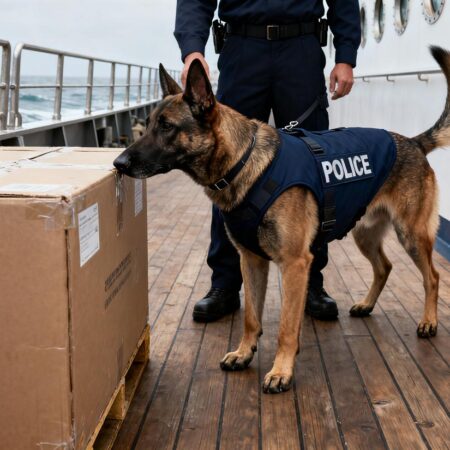
- Sea freight and shipping containers
- Air passengers concealing substances in luggage or on their person
- Smaller vessels arriving at remote coastal locations
Criminal networks constantly change tactics. When one method becomes harder to use, another is quickly adopted. This adaptability makes interception difficult and resource intensive.
Once drugs enter Australia, they rarely stay in one location. They are transported internally through established distribution routes that connect capital cities, regional centres, and remote areas.
How illegal drugs reach the Northern Territory
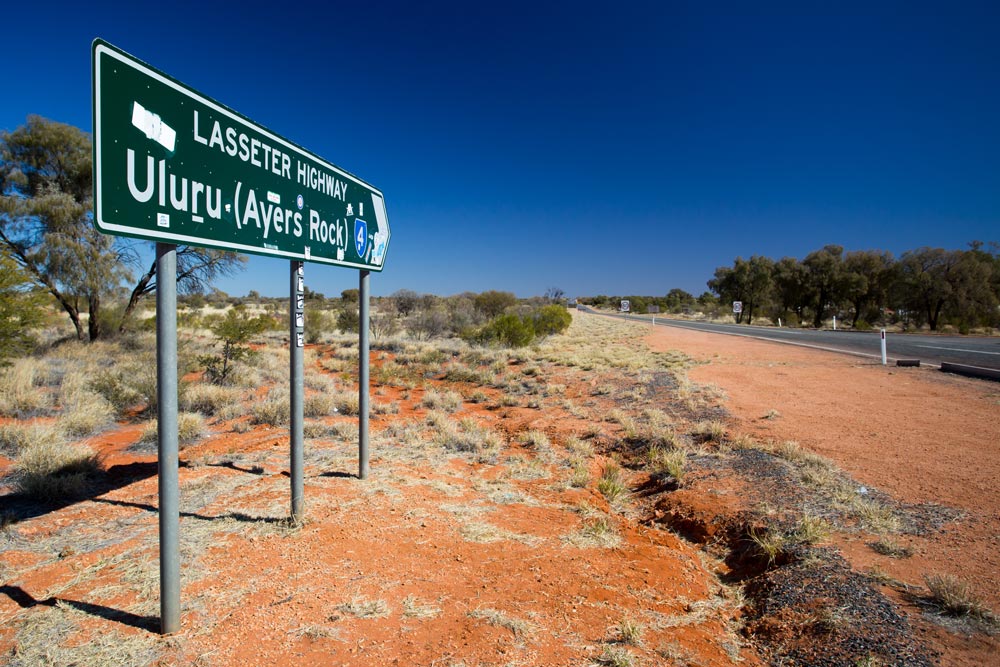
Illegal drugs in the Northern Territory often travel vast distances by road. Australia’s highway network allows drugs to be moved discreetly alongside everyday traffic.
Major transport routes linking the eastern states to the NT are commonly used. Vehicles may cross multiple borders before drugs reach their destination. Regional and remote areas can present added challenges due to long distances and reduced traffic at certain times.
This means drugs consumed or sold in the NT may have originated thousands of kilometres away. Supply chains are not local. They are national.
Drugs made within Australia
Not all illegal drugs are imported. Some are manufactured within Australia and then distributed across states and territories, including the NT.
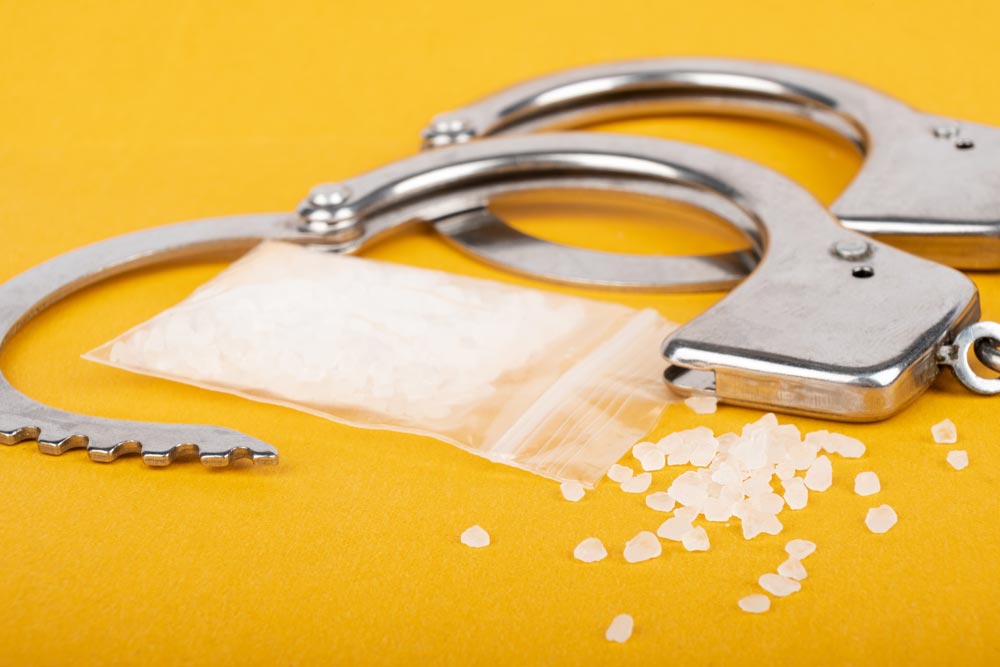
Synthetic drugs such as methamphetamine can be produced in clandestine laboratories using precursor chemicals. These labs may operate in suburban, regional, or remote locations. Once produced, drugs are packaged and transported through the same road networks used for other illicit goods.
Domestic drug production increases availability and reduces reliance on overseas supply. It also creates serious risks, including chemical exposure, fires, explosions, and environmental contamination.
Whether imported or locally produced, the result is the same. Illegal drugs continue to circulate throughout Australia, including the Northern Territory.
Ongoing efforts to disrupt supply
Despite these challenges, law enforcement agencies work constantly to disrupt drug supply chains. A recent operation by the Northern Territory Police Force highlights how proactive enforcement can stop drugs before they reach communities.
Around one month ago, police arrested a 36-year-old man near Katherine after stopping a suspicious vehicle travelling from Queensland into the NT along the Stuart Highway. Officers seized one kilogram of methamphetamine, cash, and ammunition. The alleged quantity indicated commercial-level supply rather than personal use.
The arrest followed coordinated efforts by specialist investigators, traffic officers, and dog operations. It demonstrates how intelligence-led policing and targeted enforcement can interrupt drug movements across state borders.
This case is one example among many. It shows that while supply routes exist, they are constantly challenged.
Why illegal drugs matter to workplaces
Illegal drugs in the Northern Territory do not stop at the roadside or city limits. They follow people throughout every part of their lives, including into workplaces. This creates serious risks, particularly in safety-critical industries.
Drug use can impair judgement, reaction time, and decision-making. In high-risk environments, this increases the likelihood of incidents, injuries, and near misses. Beyond safety, drug use can affect productivity, morale, and legal compliance.
Managing drug risk often requires enforcement. In workplaces, this comes in the form of workplace drug testing and the actions that follow a confirmed positive test. However, it takes more than enforcement alone. Education, clear policies, and support programs also play a critical role in prevention and early intervention.
Integrity Sampling supports Northern Territory businesses by delivering professional drug and alcohol management services tailored to local conditions.
Integrity Sampling operates from three locations across the Northern Territory, making support accessible for metropolitan, regional, and remote employers. This local presence ensures timely testing, reliable compliance, and practical guidance for businesses managing risk.
Illegal drugs in the Northern Territory remain a complex challenge. Understanding how they enter Australia, how they move across the country, and how they affect workplaces is a vital step toward safer communities and safer work environments.
FEATURED IMAGE CAPTION:
Illegal drugs in the Northern Territory arrive through complex national and international supply chains. Learn how drugs enter Australia, move across states, and why this matters for workplaces.