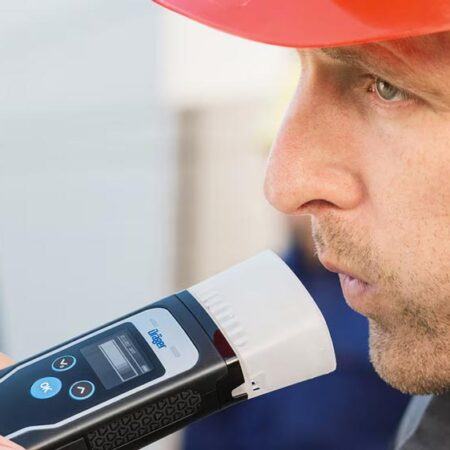


How much alcohol should you consume for health’s sake? While most experts agree that zero alcohol is the safest approach, countries have alcohol guidelines to provide evidence based recommendations for their residents. And in the United States, these guidelines have recently changed, sparking debate among health experts and others.
Why are alcohol guidelines important?
Alcohol guidelines are important because they help individuals understand and manage risk. They translate medical research into clear advice about how much alcohol increases the chance of harm.
By following guidelines, people can reduce their risk of cancer, heart disease, liver damage, mental health issues, and injury. Guidelines also clarify what a standard drink is, helping prevent accidental over-consumption. Importantly, they support safer decision-making, not just for personal health but for the safety of others.
Overall, alcohol guidelines empower individuals to make informed choices about drinking, moderation, or abstinence.
What’s the change in the United States?
As reported on ABC News in the US, the new federal dietary guidelines released in early 2026 removed specific daily drink limits. In the past, Americans were advised to limit alcohol to two drinks per day for men and one for women. The updated guidance now simply tells adults to “limit alcoholic beverages.”
The new guidelines also remove any distinction between men and women. This is despite strong evidence that women metabolise alcohol differently and often experience harm at lower consumption levels.
Officials involved in the announcement said previous limits were not based on strong evidence. However, many public health groups disagree. Research consistently shows that health risks increase as alcohol consumption increases.
The change has drawn criticism for being unclear. Health advocates argue that vague language makes it harder for people to understand risk and make informed decisions.
What global health bodies say about alcohol consumption guidelines
The World Health Organization takes a much firmer and clearer stance. It states there is no level of alcohol consumption that is completely safe.
In a recent news release, WHO Europe highlighted that alcohol is a major cause of injury and death across the European Region. In 2019, almost 145,000 injury deaths were attributable to alcohol. This equated to one in three deaths from injury or violence involving alcohol. Alcohol impairs judgment, coordination, and reaction time, and increases risk-taking behaviour, making it a leading factor in preventable injuries.
Alcohol is also strongly linked to violence. More than 40% of interpersonal violence deaths and over one third of self-harm deaths were alcohol related. Women and children are disproportionately affected, particularly through intimate partner violence.
Young people face heightened risks due to heavy episodic drinking, which increases injuries and long-term harm to brain development.
Alcohol consumption guidelines in Australia
In Australia, alcohol guidelines are clear and evidence based.
According to the National Health and Medical Research Council (NHMRC):
- Healthy adults should drink no more than 10 standard drinks per week
- No more than 4 standard drinks on any one day
- The safest option during pregnancy and for those breastfeeding is no alcohol
- Children and people under 18 should not drink alcohol
These guidelines apply to both men and women. They focus on reducing the lifetime risk of alcohol-related harm, not just short-term effects.
What about alcohol guidelines in other parts of the world?
The United Kingdom also uses a simple, clear approach. UK guidelines recommend:
- No more than 14 standard drinks of alcohol per week
- Spread consumption across several days
- Include alcohol-free days each week
The UK removed daily drink limits to reduce binge drinking. Instead, the focus is on weekly totals and regular breaks from alcohol.
Meanwhile, Canada has taken one of the strongest positions globally. Its updated guidance says:
- 0–2 drinks per week is considered low risk
- 3–6 drinks per week increases health risks
- 7 or more drinks per week significantly increases the risk of serious harm
Workplaces can help spread the message
Whether it’s simply a message of “limit alcoholic beverages” or more clear guidelines that we have in Australia, workplaces can play an important role in helping to spread the message.
By providing education for their people on the health and safety risks of alcohol, they can help improve the health of Australians. In the process, they can also help improve safety in their own workplace.
FEATURED IMAGE CAPTION:
Alcohol consumption guidelines are slightly different depending on which country you live, but a recent change in the United States have let many experts scratching their heads.