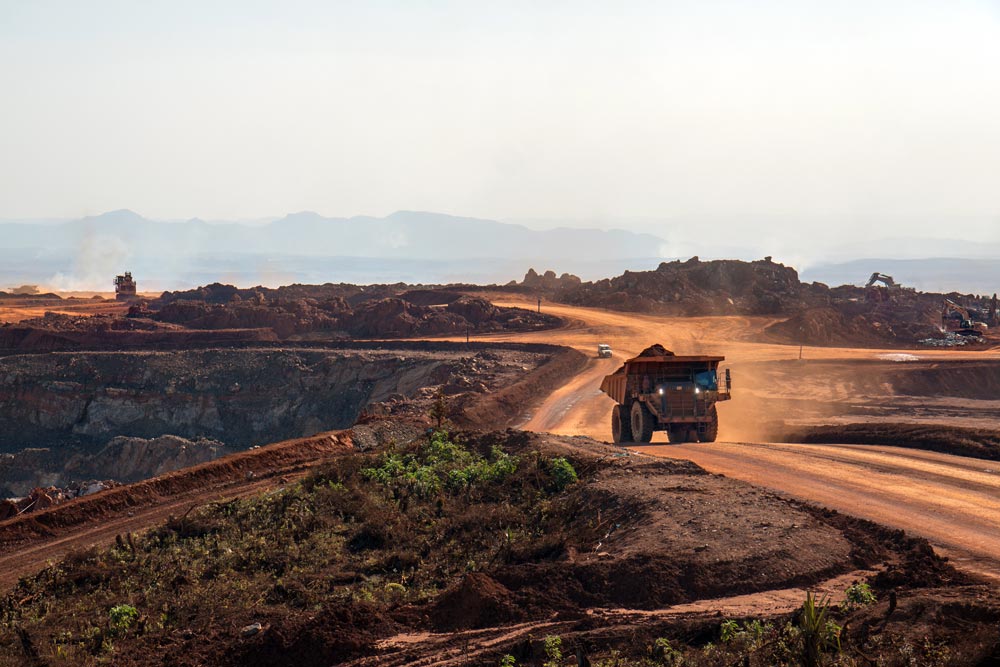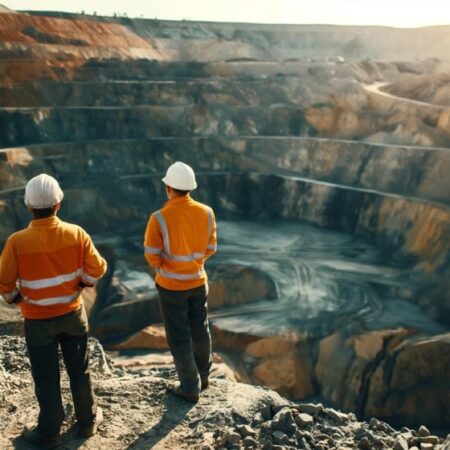

The Northern Territory's mining sector plays a vital role in Australia's economy. From critical minerals and rare earth projects to established mining operations, the industry supports regional communities, creates jobs and attracts significant investment.
However, it doesn’t come without risk, with mining continuing to be one of Australia's highest-risk industries. Workers regularly operate heavy machinery, drive vehicles across remote sites and perform other safety-sensitive tasks where even minor impairment can have serious consequences. As a result, drug and alcohol testing in the NT mining sector remains one of the most effective tools available to manage workplace risk and support safer worksites.
For Northern Territory mining operations, the stakes are even higher because many sites are located in remote areas where medical assistance and emergency response resources may not be immediately available.
Why mining presents unique workplace safety challenges
Mining environments are complex, demanding and often unpredictable. Workers must perform physically intensive tasks in challenging conditions while maintaining constant attention to safety procedures.
Many Northern Territory mine sites rely on FIFO and drive-in drive-out workforces, with employees spending extended periods away from home. Fatigue, stress and isolation can all influence decision-making and workplace behaviour if not managed effectively.
In addition, mining operations frequently involve:
- Heavy vehicles and mobile equipment
- Explosives and blasting activities
- Confined spaces
- Working at heights
- High-voltage equipment
- Remote work locations
When these hazards are combined with drug or alcohol impairment, the risk of incidents can increase significantly.
The role of drug and alcohol testing in mining
As noted by Safe Work Australia guidance on alcohol and other drugs in the workplace, employers have a responsibility to eliminate or minimise workplace health and safety risks so far as is reasonably practicable.
Drug and alcohol testing forms part of a broader workplace safety strategy to achieve this. It helps employers identify potential concerns before they contribute to incidents, injuries or operational disruptions.
A well-designed testing program can help:
- Promote a fit-for-work culture
- Reduce workplace accidents
- Improve worker accountability
- Demonstrate a commitment to safety
- Support compliance with workplace policies
- Protect employees, contractors and visitors
Importantly, testing should not be viewed solely as an enforcement measure. The most effective programs focus on prevention, education and risk reduction while supporting a strong safety culture.
Why random testing remains important
Random drug and alcohol testing is widely used throughout the mining industry because it helps create a consistent and fair approach to safety management. Workers perform safety-sensitive duties every day. Therefore, employers need confidence that employees and contractors are fit for work whenever they enter a site.
Random testing can discourage risky behaviour, reinforce workplace expectations and support a culture of accountability. When combined with clear policies and communication, it is viewed as a safety measure rather than a punitive process.
Random testing is only one component of a comprehensive program. Most workplaces use a combination of:
- Pre-employment testing
- Random testing
- Post-incident testing
- Reasonable cause testing
- Return-to-work testing
Together, these measures provide a practical framework for managing workplace impairment risks.
Managing contractor and workforce compliance
Modern mining projects often involve multiple contractors and subcontractors working on the same site. While this improves operational flexibility, it can also create additional safety challenges.
Different contractors may have their own policies and procedures. Consistent drug and alcohol testing requirements help ensure everyone entering a site is held to the same safety standards.
For Northern Territory mining operations, a standardised testing approach can improve both compliance and site-wide safety outcomes.
Employers should ensure contractors understand:
- Site drug and alcohol requirements
- Testing procedures
- Reporting obligations
- Consequences of policy breaches
- Available support services
Clear communication reduces confusion and helps create a safer work environment for all personnel.
Remote operations demand a proactive approach
The Northern Territory is known for its vast distances and remote operating environments. While these locations offer significant resource opportunities, they also present unique workplace challenges. If an incident occurs on a remote site, response times may be longer than in metropolitan areas. As a result, prevention becomes even more important.
Drug and alcohol testing supports risk management by helping organisations identify concerns before they contribute to workplace incidents.
In remote settings, employers should also consider:
- Workforce wellbeing programs
- Fatigue management strategies
- Employee assistance programs
- Supervisor training
- Regular policy reviews
Testing delivers the best results when it forms part of a broader approach that supports both safety and worker wellbeing.
Building a stronger safety culture
Successful mining organisations understand that workplace safety extends beyond compliance. The goal is to create an environment where workers take responsibility for their own safety and the safety of those around them.
Drug and alcohol testing supports this objective by reinforcing expectations and encouraging personal accountability. Workers are more likely to support testing programs when they understand the purpose behind them and recognise that the focus is on preventing harm.
Organisations that combine clear policies, workplace drug and alcohol education, leadership commitment and consistent testing practices are often better positioned to achieve long-term safety outcomes.
Looking ahead for NT mining operations
As mining activity continues to expand across the Northern Territory, operators will face increasing pressure to maintain high safety standards while managing larger and more diverse workforces.
Drug and alcohol testing in NT mining operations remains an essential part of workplace risk management. From supporting fit-for-work requirements to reducing the potential for serious incidents, testing helps organisations protect their people, reputation and operations.
In an industry where every decision can have significant safety implications, a proactive approach to drug and alcohol management is not simply good practice. It is an investment in worker wellbeing and the long-term success of mining projects across the Territory.
For mining companies, contractors and project managers operating in the Northern Territory, now is the time to review whether your testing program, policies and procedures are meeting the demands of a modern mining workforce.
Integrity Sampling provides professional workplace drug and alcohol testing services across the Northern Territory, helping organisations create safer worksites and support fit-for-work outcomes. We have bases in Alice Springs, Darwin and Katherine and provide geographical coverage across much of this vast territory.
To learn more about our NT services or discuss your site's requirements, contact our Northern Territory team today.
FEATURED IMAGE CAPTION:
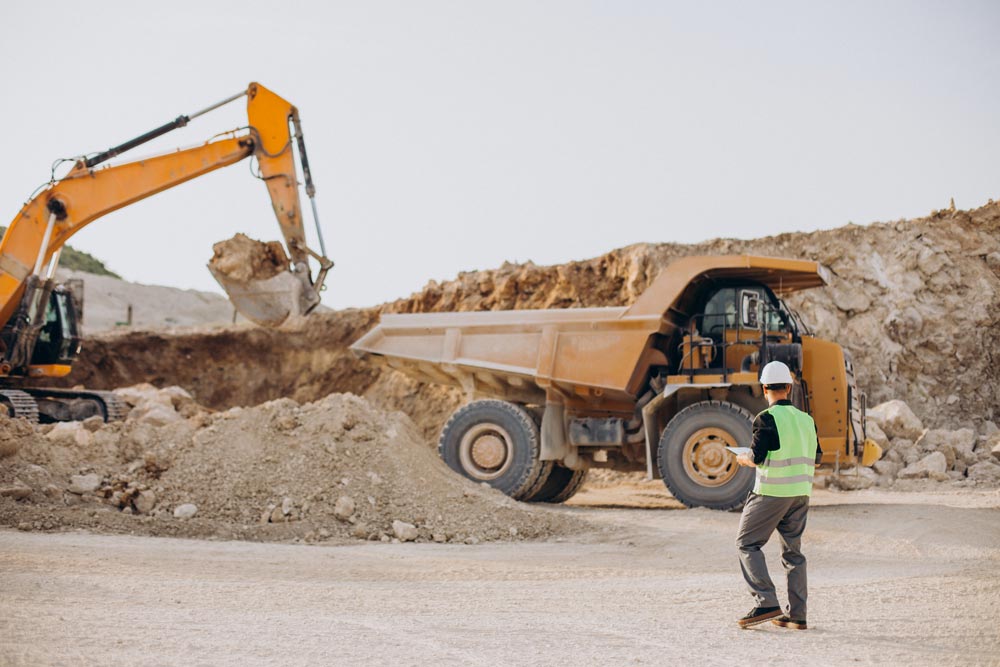
A mining worker conducts safety checks at a Northern Territory mine site’