

What does a strong workplace drug and alcohol program look like?
Does it outline the rules clearly. Tick. Does it protect people, guide decisions and support safe work. Tick. Has it been developed in consultation with all levels of the organisation. Tick. Does it implement fair and consistent testing. Tick. Does it educate, train and support. Tick.
But here’s one thing a good workplace drug and alcohol program never does. It is never simply a tick‑the‑box exercise.
In this blog, we compare two approaches and explain why fairness, consistency and clarity matter. We also highlight why a program must work for everyone, including workers, supervisors, safety managers and the organisation.
Two workplaces, two very different approaches
To understand what a strong workplace drug and alcohol program looks like, consider two businesses operating in safety‑critical environments.
Business A: the program that works
Business A treats its workplace drug and alcohol program as a living part of its safety culture. Their policy is clear, practical and easy to understand. Workers know what is expected of them. Supervisors are trained and confident. Safety managers have reliable procedures that support fair decision‑making.
Because of this, the program works every day. For example:
- Testing is consistent across all sites.
- Education sessions are regular and relevant.
- Workers feel safe raising questions or concerns.
- Supervisors know how to respond when someone may not be fit for work.
- Managers have structured processes for non‑negative results.
- Confidential support is available for workers experiencing substance‑misuse issues.
- The policy and program are reviewed regularly in consultation with all levels of the organisation.
Most importantly, the program protects people. It reduces uncertainty. It supports safe decisions. It builds trust.
Business B: the tick‑the‑box approach
Business B has a policy too. However, it rarely uses it.
Education sessions happen occasionally. Testing is reactive rather than planned. Supervisors are unsure what to do when a worker may not be fit for work. Safety managers rely on guesswork because procedures are vague.
The result is inconsistency. Workers receive mixed messages. Supervisors hesitate. Managers struggle to respond fairly. The program exists on paper, but it doesn’t guide real‑world decisions.
Why the difference matters
Both businesses have a workplace drug and alcohol program. However, only one has a program that works.
The difference is not the policy itself. It is how the organisation uses it. A strong program is practical, consistent and fair. A weak program is theoretical, reactive and unclear.
One policy, very different workplaces
Here’s a little secret about workplace drug and alcohol programs: a good program can work across a range of safety‑sensitive industries. That doesn’t mean programs are one‑size‑fits‑all. But the principles stay the same — fairness, consistency, clarity and practicality. One major difference is how the principles are applied.
For example:
- Transport businesses are heavily regulated and operate in the public domain. Many mandate zero tolerance for drugs and alcohol. Random testing may occur roadside or in depots before shifts begin.
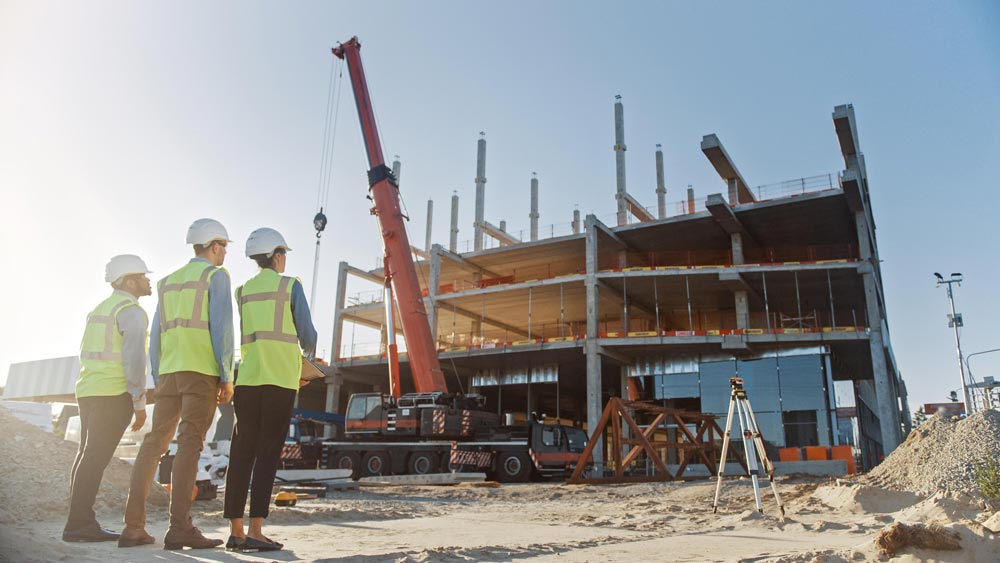
- Construction sites are fast‑paced environments with transient workforces and multiple subcontractors. A successful program ensures everyone understands and adheres to the principal contractor’s policy before setting foot on site.
- Manufacturing plants often operate around the clock. Because of this, 24/7 testing must be available for post incident response and under‑suspicion testing.
- Mining operations are isolated and rely on fly‑in, fly‑out workforces. Policies may extend beyond the shift — for example, dry camp rules or strict alcohol limits — to ensure workers are safe for their next rostered shift.
A good program adapts to the environment without losing its core purpose. This is where many organisations struggle. They have a policy, but it doesn’t translate into practical steps for different workplaces.
Who does your workplace drug and alcohol program need to work for?
A workplace drug and alcohol program must support four main groups. Each relies on the system for different reasons.
- Employees and front‑line workers need a program that is clear, consistent and fair. They want to know what is expected of them and what will happen if they are not fit for work. When a worker raises a concern or asks a question, they need confidence that the process will be respectful and private.
- Supervisors are often the first to notice when something isn’t right. Because of this, they need training, practical procedures and support. A good program gives supervisors confidence to act. It explains what reasonable‑cause situations look like, how to document concerns and when to call for testing.
- Safety and HR managers rely on the program to manage risk and support workers. They need reliable testing arrangements, clear reporting pathways and procedures that stand up to scrutiny. When a non‑negative result occurs, they need a structured process that includes confirmation testing, privacy protections and fair decision‑making.
- The organisation needs a program that protects people and reduces risk. It also needs consistency. When decisions vary between sites or supervisors, trust erodes. A strong program ensures every worker is treated fairly, every supervisor follows the same steps and every incident is managed professionally.
Integrity Sampling’s complete‑solution capability
Integrity Sampling supports workplaces across Australia with practical, consistent and fair drug and alcohol programs. This includes policy guidance, supervisor training, education, testing and 24/7 response capability. Because every workplace is different, the approach is tailored but still grounded in strong principles.
A program that works for workers, supervisors, managers and the organisation is a program that protects people.
National Safe Work Month 2026
This blog supports Safe Work Australia’s National Safe Work Month, held each October. This year’s theme is Safe work is for life. This week’s focus is For the future.
View our other National Safe Work Month blogs:
- Week 1: Workplace drug and alcohol testing protects far more than compliance. This blog explores how testing, policy, education and support work together to prevent harm and protect workers’ lives long before a safety‑critical moment occurs.
- Week 2: Prescribed medication can influence workplace drug testing, but a non‑negative result is only the start of the story. This blog explains why human‑centred processes, fair disclosure pathways and confirmation testing protect workers’ dignity, safety and wellbeing.
- Week 3: Impairment is not always obvious, and it doesn’t look the same in every worker or every situation. This blog explains why recognising impairment early protects people and supports safe decisions.
FEATURED IMAGE CAPTION:
What does a construction site like this one have in common with a manufacturing plant, a mine, a transportation business and other safety-sensitive industries? They all need good drug and alcohol management programs.