
October is National Safe Work Month, and this year’s theme — Safe work is for life — is a reminder that workplace safety is ultimately about people. It is about workers finishing their shift safely. It is about the colleagues working alongside them, the families expecting them home, and the communities that rely on safe workplaces.
The focus for the first week of National Safe Work Month — For life: why WHS matters — asks workplaces to think beyond compliance and consider what effective safety systems are in place to protect.
The same thinking applies to workplace drug and alcohol management.
Testing is important, but it is not the objective in itself. The objective is to help organisations identify and manage risk before it contributes to an incident.
Drug and alcohol testing is only one part of the picture
It can be easy to think of workplace drug and alcohol testing as a standalone activity — schedule the testing, conduct the tests and record the results.
But an effective workplace drug and alcohol program needs more than that.
A workplace may conduct regular testing, but if employees do not understand the policy, supervisors are uncertain about how to respond to a concern, or there is no clear process for managing a non-negative result, the organisation may still be exposed when a real situation occurs.
A practical program brings several elements together:
- Clear policy and procedures — so employees understand expectations, responsibilities and what will happen when an issue arises.
- Education and awareness — so people understand the risks associated with drugs, alcohol, medication and fitness for work.
- Supervisor capability — so those responsible for workplace safety know how to recognise concerns and follow the organisation’s process.
- Appropriate testing and response procedures — so testing is carried out consistently and results are managed correctly.
- Support and referral pathways where appropriate — so organisations have a clear way of responding when an employee may need further assistance.
When these elements work together, testing becomes part of a broader risk-management system rather than the organisation’s only line of defence.
When an ordinary workday becomes a safety‑critical moment
Consider a situation that could occur in many Australian workplaces.
It is 7:45am at a regional transport depot. An experienced driver arrives for work and is scheduled to move heavy equipment between sites.
During the pre-shift briefing, the supervisor notices that the employee does not appear to be themselves. Their responses seem slower than usual and the supervisor has a genuine concern about whether they are fit to perform safety-sensitive duties.
What happens next depends heavily on the systems the organisation already has in place.
Because the workplace has a clear drug and alcohol policy, trained supervisors and an established procedure, the supervisor knows how to raise the concern appropriately and what steps to follow.
Testing is conducted in accordance with the organisation’s procedure and returns a non-negative screening result.
Importantly, a non-negative screening result is not the same as a confirmed laboratory result, nor should it automatically be treated as proof of impairment.
The organisation follows its established procedure. This may include removing the employee from safety-sensitive duties where appropriate, arranging confirmation testing and managing the situation consistently while further information is obtained.
At this point, the cause of the result is not the most important part of the example. What matters is that the supervisor knew what to do, the worker was treated according to an established process, and the organisation had a system for managing the immediate safety risk.
That is where preparation matters.
The human element matters
Drug and alcohol management should not be about catching people out. It should be about managing workplace risk fairly, consistently and safely.
Behind every test is a person. There is also a supervisor responsible for making a difficult decision, colleagues who may be affected by that decision and an organisation responsible for providing a safe workplace.
Good systems help everyone involved.
Employees know what is expected of them and how the process works. Supervisors have greater confidence in what they should do. Safety and HR teams have established procedures to follow. And organisations are better equipped to respond when an unexpected situation arises.
That human element is particularly important because workplace drug and alcohol situations are rarely as simple as a positive or negative result. Medication, individual circumstances, testing procedures, confirmation results and organisational policy can all form part of what happens next.
This is why testing should sit within a wider workplace drug and alcohol management program rather than operate in isolation.
Safe work is for life
National Safe Work Month gives organisations an opportunity to look at their safety systems before they are put to the test by a real incident.
When it comes to workplace drug and alcohol risk, a useful question is not simply “Do we conduct testing?” It is: “If something happened in our workplace tomorrow, would our people know what to do?”
Would the supervisor know how to respond? Would the employee understand the process? Would the organisation know how to manage a non-negative result? And would the policy and procedures work in practice, not just on paper?
Those are the systems that help protect people when it matters.
Integrity Sampling: supporting safer workplaces across Australia
Integrity Sampling works with organisations nationwide to strengthen drug and alcohol safety systems. Our services include:
- On‑site drug and alcohol testing
- Policy and procedure guidance
- Education and awareness programs
- Support for safety‑sensitive industries
Because safe work is for life — and every worker deserves to get home safely.
If your organisation wants to improve its drug and alcohol safety systems, our team is ready to help.
FEATURED IMAGE CAPTION:
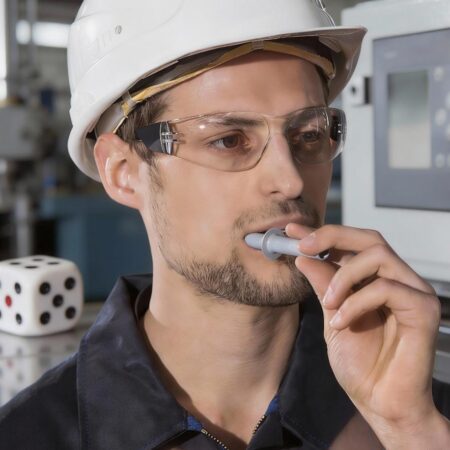
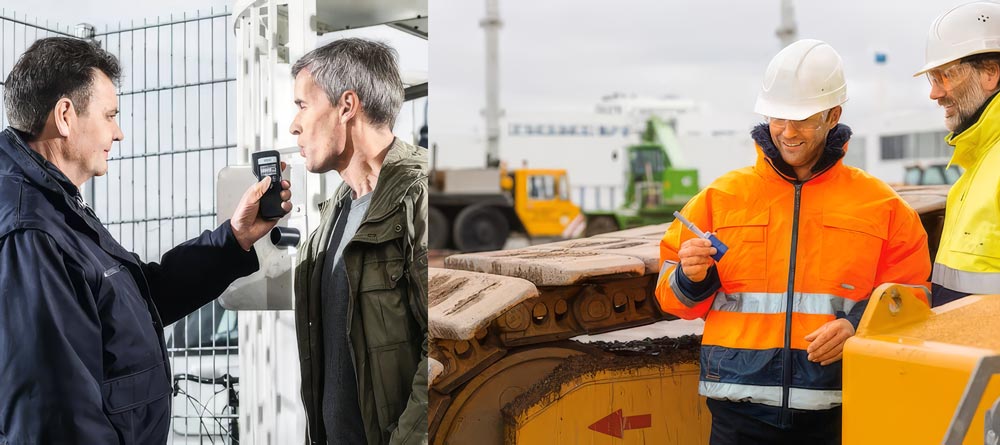
Drug and alcohol testing is carried out in Australian workplaces.

SECONDARY IMAGE CAPTION:
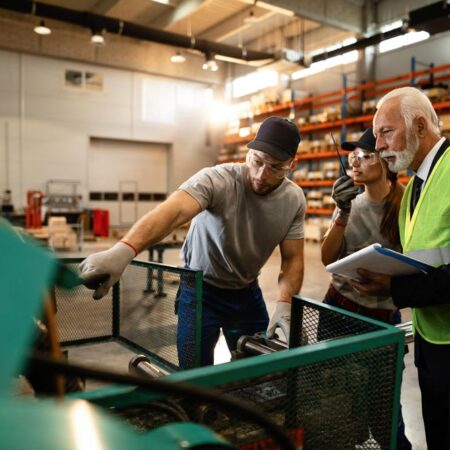
Workplace drug and alcohol testing’s main aim is protecting people’s lives, not productivity or the bottom line.