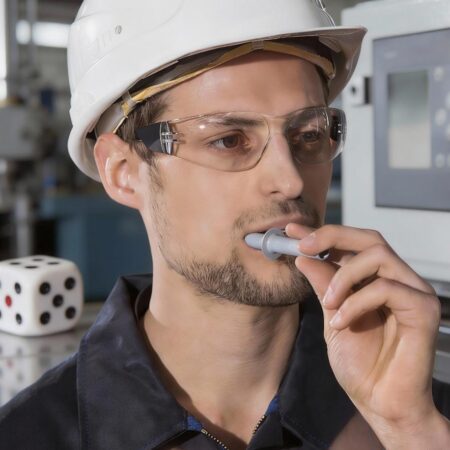


Random testing remains one of the most effective workplace safety tools — and one of the most misunderstood.
When implemented correctly, random workplace drug and alcohol testing is not about catching employees out. It is about prevention, fairness, and reducing workplace risk before harm occurs.
So, why does random testing work so well?
The answer is simple: people adjust their behaviour when they believe there is a genuine chance of being tested at any time. That unpredictability is what gives random testing its deterrence value.
In our latest LinkedIn newsletter, we explore:
- Why random testing changes workplace behaviour
- The importance of genuine randomness
- Common mistakes that can undermine a testing program
- How random testing supports workplace safety culture
- Best-practice implementation tips for employers
We also explain why random testing should form part of a broader workplace safety framework rather than operate as a standalone measure.
If your business currently conducts random testing — or is considering implementing a program — this newsletter provides practical insights into why random testing continues to play an important role in workplace safety.
Read the full LinkedIn newsletter now.