

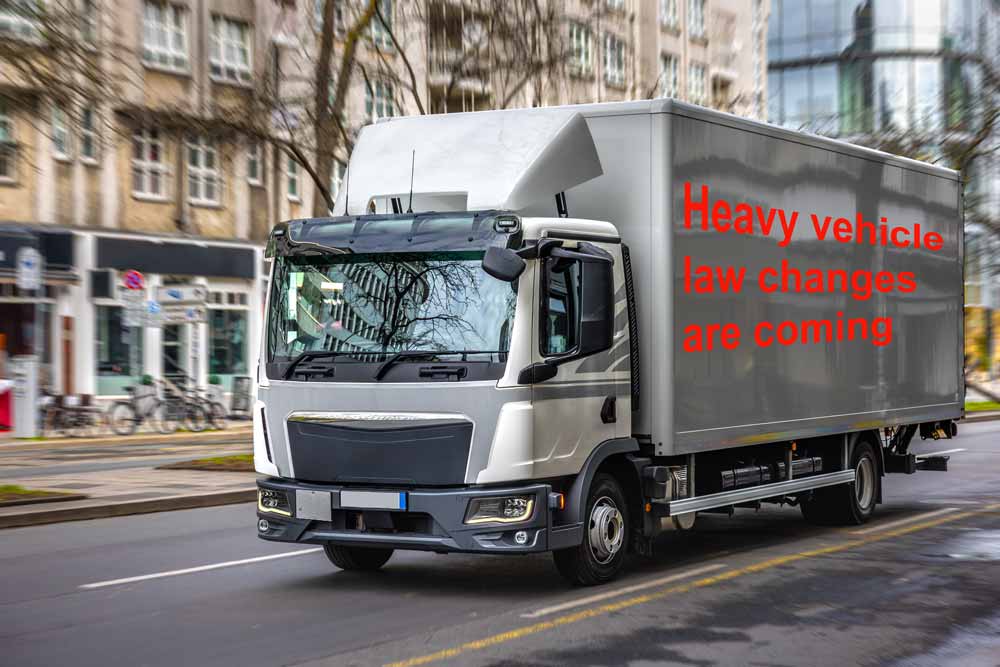
Heavy Vehicle National Law changes come into effect across Australia soon, including in South Australia. What are the changes and what do they mean for your transportation business?
While there are several changes coming into effect on 1 August 2026, one of the most important will be a broadening of “unfit to drive” obligations to go well beyond simply fatigue. This change will directly impact drug and alcohol testing and management programs in transportation.
What “unfit to drive” means
“Unfit to drive” means a driver must not operate a heavy vehicle when they are not fit to do so. It could be for a variety of reasons, including a medical condition, physical injury and fatigue. Plus, of course, it could be because the driver is impaired by drugs or alcohol.
Impairment includes:
- Alcohol use
- Illegal drugs
- Prescription medication effects
Alcohol and drugs remain a major transport safety risk. A driver is unfit if substances impair judgment, reaction time or awareness.
Effective workplace drug and alcohol testing in South Australia helps identify risk early. It supports safer decision-making and legal compliance. And it will help transportation business in SA to comply with the upcoming changes.
What do the changes mean for transportation businesses?
Transport businesses must now manage driver fitness in a wider way.
This includes:
- Updating fit for work policies
- Expanding drug and alcohol risk controls
- Improving reporting of illness and medication
- Strengthening transport drug and alcohol testing programs
- Reviewing training and supervision systems
The focus shifts to prevention, not reaction.
Drugs and alcohol a major focus in transportation
The Heavy Vehicle National Law changes solidify the fact that fit to drive isn’t simply to do with fatigue. It adds to other laws that make fit for duty, as well as drug and alcohol management, vital in SA’s transportation industry.
Nearly 18 months ago we published a post on Chain of Responsibility, which is also part of the Heavy Vehicle National Law. It makes safety a shared legal duty across the transport supply chain.
Responsible parties include:
- Company directors
- Managers and supervisors
- Schedulers and planners
- Loaders and consignors
- Receivers of goods
Each party must take reasonable steps to prevent safety breaches. This includes preventing impaired driving.
Other laws that apply in South Australia that transportation businesses need to comply with include:
- Work Health and Safety Act 2012 (SA) – This law requires businesses to manage safety risks so far as reasonably practicable. Impairment from drugs or alcohol is a workplace risk.
- Industrial manslaughter laws – These laws increase penalties where negligence causes workplace death. Failure to manage safety risks can result in prosecution.
How Integrity Sampling can help
Integrity Sampling supports transport businesses with:
- Drug and alcohol testing programs
- Policy development and updates
- Chain of Responsibility support
- Training and compliance systems
We operate across South Australia and have locations in Adelaide, Fleurieu Peninsula, Gawler, Mount Gambier, Port Augusta and the Riverland.
Contact Integrity Sampling if you need help to prepare for the Heavy Vehicle National Law changes.
FEATURED IMAGE CAPTION:
Heavy vehicle law changes are coming soon to South Australia. Learn what SA transport businesses need to do now.