

NT Police have again highlighted how alcohol and drugs continue to enter remote parts of the Northern Territory. And while these stories often focus on crime and community harm, they also reveal something important for employers — when illegal substances move through the Territory, workplace risk increases.
Less than two weeks ago, NT Police carried out a five‑day operation targeting the supply of prohibited substances into West Arnhem communities. The results were significant.
According to NT Police, “During the operation, police seized 101.8 litres of prohibited alcohol, 76 grams of cannabis, fireworks and more than 2,200 bags of kava.”
This operation is one of several recent enforcement actions showing how alcohol, cannabis and other substances continue to move through the Territory. For workplaces, especially those operating in remote or safety‑critical environments, these trends matter.
Illegal supply affects more than the community
When police intercept alcohol, cannabis or other drugs headed for remote communities, the public conversation often focuses on social harm. This is fair enough, because it’s a significant issue. But these substances don’t stay confined to community settings. They can also affect employees, contractors and visitors who work in the region.
Alcohol remains one of the most common contributors to impairment in NT workplaces. Cannabis continues to be detected in roadside and workplace testing. In fact, in Integrity Sampling’s testing, it’s responsible for more positive results than any other individual substance. And kava, while sometimes misunderstood, can impair coordination, alertness and reaction time — all critical factors in high‑risk industries.
The West Arnhem seizures show that supply chains remain active. When supply increases, the likelihood of workplace exposure increases too.
Why this matters for NT employers
Many NT workplaces operate in environments where impairment can lead to serious consequences. Mining, construction, transport, logistics, agriculture, community services and remote operations all rely on workers who can think clearly, react quickly and make safe decisions.
Alcohol, cannabis and other drugs (including kava) can affect:
- Reaction time
- Coordination
- Judgment
- Concentration
- Emotional regulation
Even small changes in these areas can create major risks. A single impaired worker can cause an incident that affects others, damages equipment or disrupts operations.
The NT also has unique challenges. Remote locations, long travel distances, isolation, fatigue and community pressures can all increase the likelihood of substance use. When illegal supply enters these regions, the risk to workplaces grows.
What recent NT Police operations tell us
The West Arnhem operation is not an isolated case. NT Police continue to intercept alcohol and drugs across the Territory, including:
- Secondary supply of alcohol into restricted communities
- Cannabis and methamphetamine moving through regional transport routes
- Kava entering remote areas in large quantities
- Roadside drug testing resulting in regular positive results
These operations show that substance use remains a Territory‑wide issue. And while enforcement helps reduce harm, it also highlights why employers must remain proactive.
If one in ten drivers test positive during roadside operations — a common ratio in NT campaigns — it is reasonable to assume some of those individuals also attend work under the influence. That creates a direct safety risk.
Workplace drug and alcohol testing supports safer decisions
Drug and alcohol testing is not about catching people out. It is about preventing harm and supporting safe behaviour.
Effective workplace programs help employers:
- Identify impairment early
- Reduce the risk of incidents
- Support employees who may be struggling
- Reinforce clear expectations
- Comply with WHS obligations
- Build a culture where safety comes first
Testing also provides valuable data. When employers understand the patterns of substance use in their workforce, they can tailor training, support and policy improvements.
Integrity Sampling supports NT workplaces
Integrity Sampling works with businesses across the Northern Territory to manage drug and alcohol risks. We understand the Territory’s unique challenges, including remote operations, community pressures and the impact of illegal supply.
Our NT team provides:
- Drug and alcohol policy development
- Staff education and toolbox talks
- Random, scheduled and post‑incident testing
- On‑site and mobile testing services
- Guidance on managing positive results
- Support for safety managers and HR teams
With offices in Darwin, Katherine and Alice Springs, we can respond quickly and support workplaces across the region.
The recent West Arnhem seizures are a reminder that illegal supply continues. For NT employers, now is the time to strengthen your systems, reinforce expectations and ensure your workplace remains safe.
To learn more about how we can support your organisation, contact Integrity Sampling’s NT team today.
FEATURED IMAGE CAPTION:
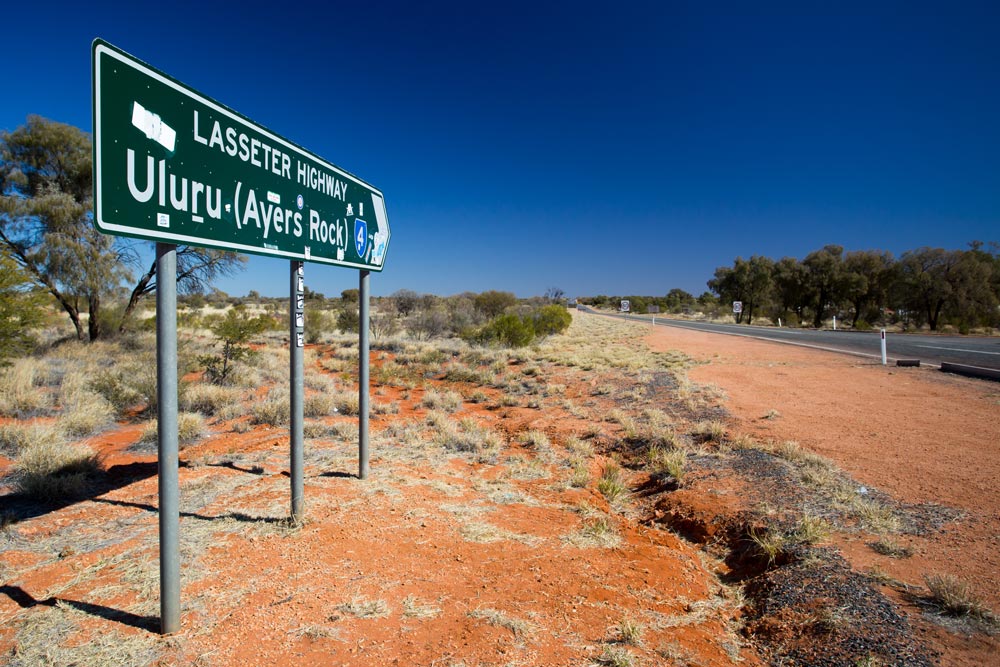
The Northern Territory is vast, but that doesn’t stop police from running operations to seize alcohol and drugs.

SECONDARY IMAGE CAPTION:
Recent alcohol and drug seizures in the NT are a wake-up call for workplaces.