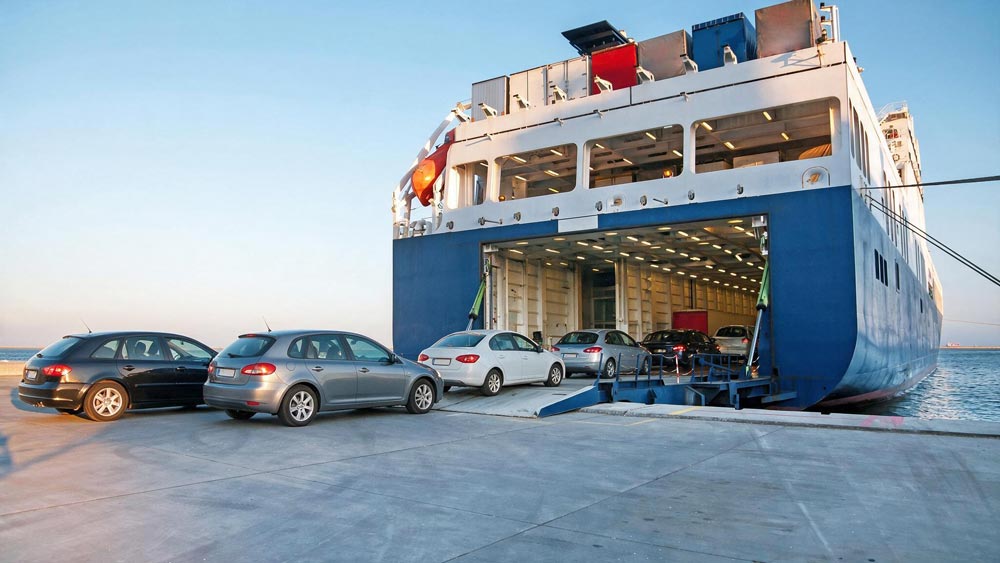


The maritime industry helps the Northern Territory’s economy stay afloat. It creates jobs, supports trade, and brings in tourism dollars. However, for those working in the industry, it can come with dangers. Which is why new drug and alcohol management rules have come into force in the commercial maritime industry that will help make our seas and waterways safer for everyone.
What are the rules?
Maritime Industry in NT is Big Business
A Deloitte Access Economics report shows the combined maritime, agribusiness, minerals, and oil and gas sectors added $7 billion in direct value to the NT economy in a recent financial year. They also supported more than 11,000 jobs. That’s about a quarter of the Territory’s Gross State Product and 8% of total employment.
When you add indirect impacts, the contribution grows to almost $10 billion and 30,000 jobs. The NT Government aims to grow the economy to $40 billion by 2030–31. The maritime industry will play a big role in reaching that target. It provides service, supply, logistics, and defence support for the region.
The Many Faces of the NT’s Maritime Industry
The NT’s maritime industry is diverse. It includes:
- Shipping and freight – delivering cargo, fuel, and goods to remote communities.
- Commercial fishing – such as Australia Bay Seafoods’ new $10 million trawler, which created up to 30 jobs.
- Offshore oil and gas support – servicing rigs and platforms in northern waters.
- Defence and border protection – operating patrols and logistics out of Darwin and other ports.
- Cruise tourism – the 2024/25 season brought 113 ships, 80,000 passengers, $181 million, and over 500 jobs.
- Recreation and charter services – providing tours, fishing trips, and vessel maintenance.
Every one of these roles carries responsibility for safety. And that’s where strict drug and alcohol management comes in.
New Rules for Drug and Alcohol Management
The Australian Maritime Safety Authority (AMSA) introduced new rules on 1 June 2025. These rules apply to all domestic commercial vessel operators. That includes Class 1, 2, and 3 vessels such as passenger boats, non-passenger vessels, and fishing boats.
Under the changes, operators must have a drug and alcohol policy in their safety management system. They must make sure crew know about the policy. They must ensure everyone on board is fit for duty and not impaired while working. The policy must suit the risks and operations of each vessel.
What a Good Drug and Alcohol Policy Should Include
A strong policy will:
- Set clear limits and outline what happens if someone breaks the rules.
- Include training so crew members understand the dangers and their obligations.
- Detail drug and alcohol testing procedures.
- Explain how to disclose prescription medications such as medicinal cannabis or ADHD medication.
- Outline steps for handling reasonable suspicion cases.
- Require regular reviews and updates.
These rules are designed to protect lives, property, and the environment. They also protect the reputation of operators.
Why This Matters
Maritime work can be high risk. People operate heavy machinery, guide passengers or handle valuable cargo, and navigate challenging conditions. Drugs and alcohol can slow reaction times and impair decision-making. That can lead to accidents, injuries, and environmental damage.
By enforcing these rules, AMSA is making sure operators take a proactive approach to safety. It’s about preventing problems before they happen.
How Integrity Sampling Can Help
If you work in the Northern Territory’s maritime industry, you might be wondering how to meet these new requirements. That’s where Integrity Sampling comes in. Our NT branches, from Darwin to Alice Springs, can help you:
- Write or review your drug and alcohol policy.
- Train your crew so they understand the rules and why they matter.
- Provide reliable and accurate drug and alcohol testing as part of your compliance program.
We make compliance easier. We help you create safer workplaces. And we work with you to protect your people, your vessels, and your business.
If you need help putting the new drug and alcohol management rules into practice, Integrity Sampling in the NT is ready to help. Contact us today.
FEATURED IMAGE CAPTION:
Maritime work in the Northern Territory has many benefits, but it can be risky. Which is why new drug and alcohol management rules have been introduced.