
Mine workers. Tick.
Accountants. No.
Truck drivers. Tick.
Office managers. No.
Forklift operators. Tick.
Lawyers. No.
It might seem like we're sorting what traditionally would have been considered blue-collar and white-collar workers, but we're not. We're highlighting which industries in Victoria, or more accurately, which roles within those industries, are most likely to benefit from drug and alcohol testing.
The distinction is important because workplace drug and alcohol testing is not a one-size-fits-all exercise. Instead, it should be based on risk.
A lawyer who spends their day reviewing contracts from an office presents a very different risk profile to a truck driver transporting goods on Victorian roads. Similarly, an accountant working at a desk or a shopkeeper at a till faces different workplace hazards than a forklift operator moving heavy loads through a busy warehouse.
That's why many Victorian employers take a risk-based approach to workplace drug and alcohol testing. Rather than focusing on industry stereotypes, they assess whether a worker performs safety-sensitive duties where impairment could increase the likelihood of an incident, injury, property damage, or harm to members of the public.
While there is generally no legislative requirement for most Victorian businesses to conduct drug and alcohol testing, employers do have a duty to provide and maintain a safe working environment. For organisations operating in high-risk industries, testing is often one component of a broader fitness-for-work program designed to help manage that responsibility.
So, which industries in Victoria are most likely to implement drug and alcohol testing programs, and why?
What is drug and alcohol testing in Victoria designed to achieve?
Before we look at the industries and roles in more depth, let's explain the aim of workplace drug and alcohol testing in Victoria.
Testing is one component of workplace risk management. Its purpose is to support a safe working environment by helping businesses identify and manage the risks associated with impairment.
Testing programs are often accompanied by:
- Drug and alcohol policies
- Employee education programs
- Supervisor training
- Incident investigation procedures
- Fitness-for-work assessments
- Return-to-work processes
Together, these measures help businesses create a stronger safety culture rather than relying on testing alone.
What are safety-sensitive roles?
A safety-sensitive role is any position where an employee's actions could significantly affect their own safety, the safety of others, or the integrity of critical operations. These roles are often the primary focus of workplace drug and alcohol testing programs because impairment can increase the likelihood of a serious incident.
Examples include:
- Operating vehicles or mobile plant
- Using heavy machinery
- Working at heights
- Performing electrical work
- Managing hazardous substances
- Operating critical infrastructure
- Performing public-facing transport duties
In these situations, even a temporary reduction in concentration, judgement, reaction time or coordination can increase workplace risks.
Examples of industries in Victoria that commonly use drug and alcohol testing
Transport and logistics
The transport and logistics sector is one of the most common industries to implement drug and alcohol testing in Victoria.
Workers in this sector often operate:
- Heavy vehicles
- Delivery fleets
- Forklifts
- Warehousing equipment
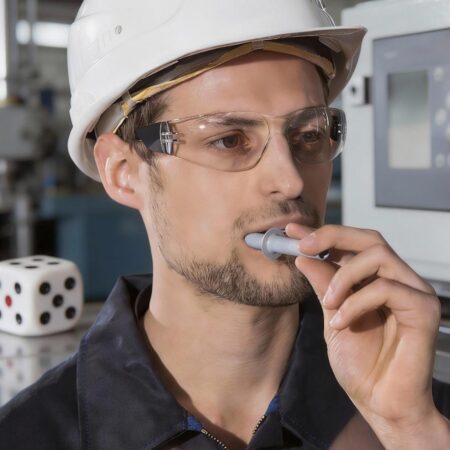
Drivers and equipment operators must make quick decisions in constantly changing environments. Therefore, many transport companies use pre-employment, random, post-incident and reasonable-cause testing programs to support workplace safety objectives.
In addition, many clients and principal contractors require transport providers to maintain robust fitness-for-work systems.
Construction and infrastructure
Construction remains one of Victoria's highest-risk industries.
Workers may be exposed to:
- Mobile plant and heavy equipment
- Excavation hazards
- Working at heights
- Electrical risks
- Busy multi-contractor worksites
Because of these risks, drug and alcohol testing is commonly included within broader site safety programs.
Major projects often require subcontractors and workers to comply with established fitness-for-work policies before entering site. Consequently, testing is frequently viewed as part of overall risk management rather than a standalone activity.
Manufacturing and industrial operations
Manufacturing environments often involve machinery, automated systems, production lines and maintenance activities.
A momentary lapse in concentration can result in:
- Serious injuries
- Equipment damage
- Production interruptions
- Quality issues
For this reason, many manufacturing businesses include drug and alcohol testing within their workplace health and safety framework. Employers often combine testing with training and ongoing safety awareness initiatives to help reduce workplace incidents.
Warehousing and supply chain operations
Modern warehousing environments can be fast-paced and complex.
Employees may interact with:
- Forklifts
- Automated systems
- Loading docks
- Heavy inventory
While warehousing environments may not attract the same public attention as construction sites, the risks associated with impairment remain significant. Consequently, many warehouse operators adopt risk-based testing programs to support safe operations and protect both workers and visitors.
Why a risk-based approach matters
Not every Victorian workplace requires the same testing program. In fact, not every worker within the same workplace will necessarily be subject to the same testing requirements.
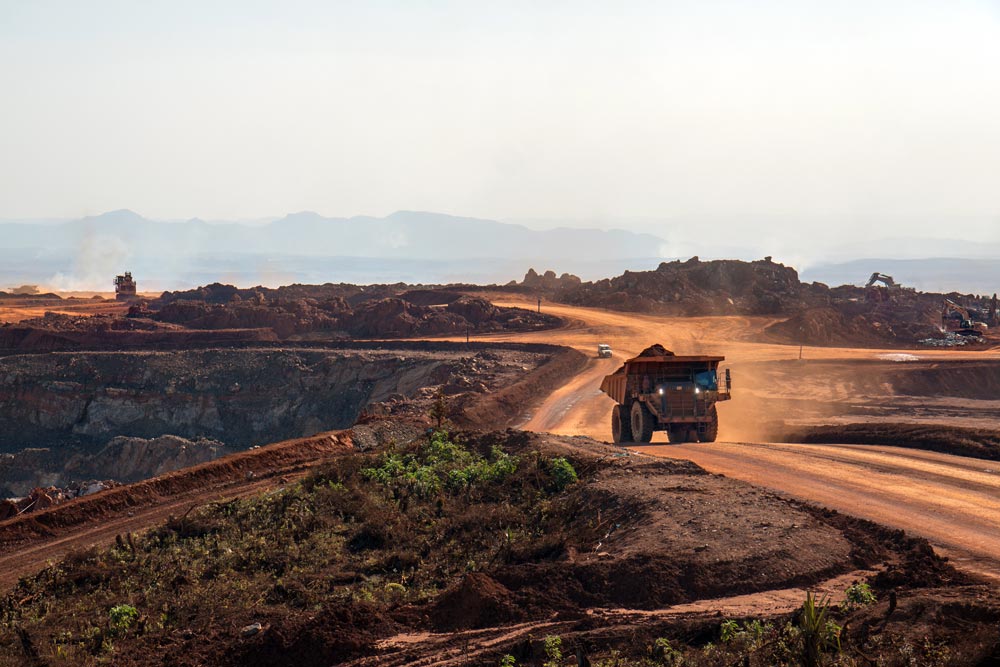
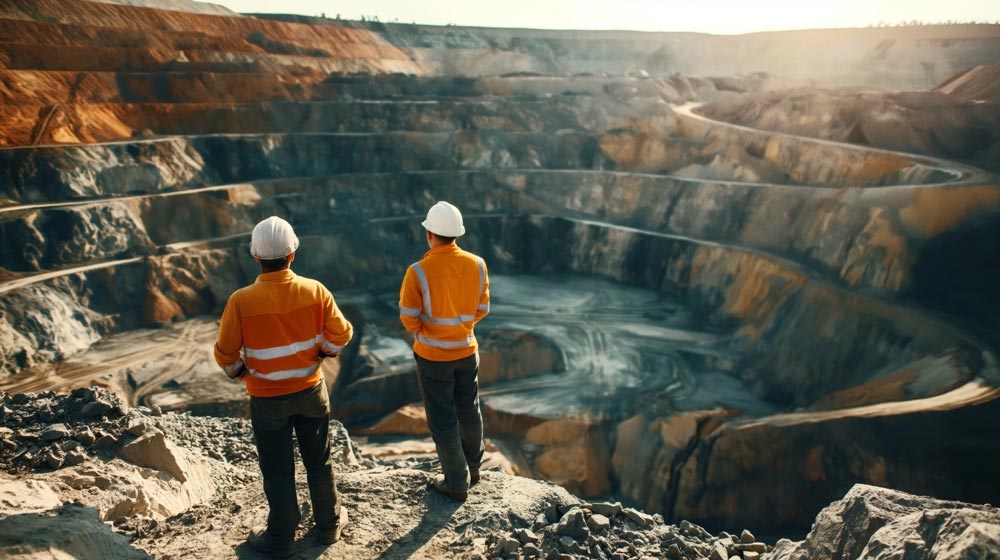
Take a mine site as an example. Heavy vehicle drivers, machinery operators and other employees performing safety-sensitive work may be subject to a comprehensive testing regime that includes pre-employment, random, post-incident and reasonable-cause testing. This reflects the higher risks associated with operating large equipment and working in potentially hazardous environments.
On the same site, however, office-based employees may face a different testing framework. While they remain subject to workplace drug and alcohol policies, they may only be tested under specific circumstances, such as following an incident or where there is reasonable suspicion that they may be impaired at work.
This approach recognises a simple reality: different roles carry different levels of risk.
A risk-based approach helps employers:
- Align testing with actual workplace hazards
- Demonstrate due diligence
- Support policy enforcement
- Improve workforce safety outcomes
- Meet client and contractor expectations
- Apply testing in a fair and proportionate manner
Most importantly, it ensures workplace drug and alcohol testing is targeted where it can have the greatest impact on safety.
Common misconceptions about workplace testing
Every business should conduct random testing
Random testing may be appropriate for some organisations. However, the decision should be based on workplace risk assessments and operational requirements.
Testing alone creates a safe workplace
Testing is only one part of a comprehensive drug and alcohol management program. Policies, training, education, supervision and leadership all play critical roles.
Drug and alcohol testing is only for high-risk industries
Many industries outside construction and transport can benefit from fitness-for-work programs where impairment could affect safety, productivity or operational outcomes.
Drug and alcohol testing in Victoria supports safer workplaces
Drug and alcohol testing in Victoria is most effective when it forms part of a broader workplace safety strategy. Rather than adopting a one-size-fits-all approach, employers should consider the risks associated with their industry, workforce and operational activities.
For organisations with safety-sensitive roles, a risk-based testing program can help support safer workplaces, strengthen compliance efforts and reinforce a culture where fitness for work remains a priority.
FEATURED IMAGE CAPTION:
Workers in safety-sensitive industries in Victoria like this mine may face regular drug and alcohol testing requirements.