

A workplace can change in a moment. A conversation, a concern or a single observation can shift a normal day into a situation where safety depends on what a supervisor does next. Because of this, readiness is not theoretical. It is practical, human and time critical. It is the difference between a safe outcome and a serious incident.
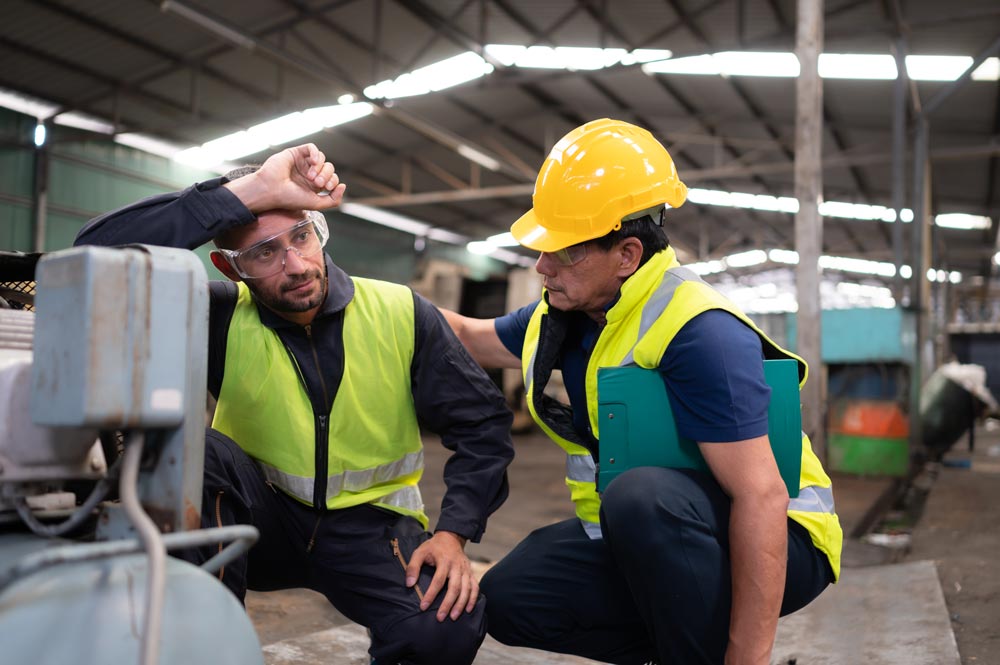
It’s a Saturday afternoon at a manufacturing plant. The experienced crew has clocked on, and the supervisor moves through his normal pre‑shift tasks. However, he notices one of his team behaving differently.
The worker’s eyes are bloodshot. They look unusually tired, even though the shift is only starting. More concerning, the worker—normally quiet and reserved—is loud, animated and interrupting others. Their behaviour is raucous, and it is affecting the team’s focus.
The supervisor pauses. He knows this worker well. Something is not right.
This is the moment when readiness matters.
A supervisor who is trained and confident knows how to respond. They recognise these indicators as reasonable cause for concern. They understand their role in protecting the worker, the team and the business. They also know that acting early prevents risk from escalating.
While not an everyday occurrence in any single workplace, this type of situation is not uncommon across Australia’s safety‑priority industries. It is why organisations need practical procedures, clear expectations and access to 24 7 workplace drug and alcohol testing. It is also why a strong workplace drug and alcohol program must work in the real world—not just on paper.
Would your supervisors know what to do?
Supervisors are often the first to notice when something isn’t right. For example, a worker may seem unusually tired, distracted or unsteady. They may behave out of character or struggle with tasks they normally complete with ease. These signs don’t automatically mean impairment.
However, they do mean a supervisor must act.
In real workplaces, supervisors face pressure. They want to support their people. They want to avoid conflict. They want to make the right call. Yet without clear procedures and practical training, even experienced supervisors can hesitate. That hesitation matters, because safety risks don’t wait.
A supervisor who is ready knows how to:
- recognise reasonable cause indicators
- start a respectful conversation
- follow the organisation’s drug and alcohol policy
- request workplace drug and alcohol testing when required
- escalate concerns when a worker may not be fit for work
- document the situation accurately
This readiness protects everyone involved. It protects the worker, because the process is fair and consistent. It protects the supervisor, because they are following a clear framework. And it protects the business, because decisions are based on evidence, not assumptions.
A policy on paper isn’t enough
Many organisations have a drug and alcohol policy. However, a policy alone doesn’t create safety. Real‑world readiness comes from procedures, training, testing arrangements and response capability that work under pressure.
Because workplaces are dynamic, policies must reflect real conditions. A supervisor may need to manage a situation at 2am. A remote site may need testing support within a couple of hours. A worker may declare medication that affects fitness for work. These scenarios require more than a document—they require a system that works.
When procedures fail in practice, supervisors fall back on guesswork. That is when risk increases. A strong policy becomes meaningful only when people can use it effectively.
Is your drug and alcohol program ready when it matters?
A practical drug and alcohol program connects policy, education, testing and incident response. Each part must work together, because readiness depends on the whole system.
- Policy: A clear policy sets expectations. It explains roles, responsibilities and consequences. It also outlines how reasonable cause situations should be managed.
- Education: Workers and supervisors need ongoing education. For example, they must understand how impairment affects safety, how prescribed medication may influence fitness for work, and how testing supports fair decision making.
- Testing: Testing must be reliable, consistent and available when required. Because incidents don’t follow schedules, organisations need access to 24 7 workplace drug and alcohol testing.
- Incident response: When a situation escalates, response capability matters. Supervisors need support from trained professionals who can guide next steps, provide testing and help manage risk.
This practical chain is where Integrity Sampling’s national network plays a critical role. Our teams support workplaces across Australia with 24/7 testing, incident response and supervisor guidance. Because readiness is not optional. It is essential.
Why readiness protects people
Being ready when it matters protects workers, families, supervisors and businesses. It ensures decisions are fair, consistent and grounded in safety. It reduces uncertainty and prevents small concerns from becoming major incidents.
Most importantly, readiness reinforces a simple truth: safe work is for life. It is not a slogan. It is a commitment to the people who rely on safe workplaces every day.
National Safe Work Month 2026
This blog is part of Integrity Sampling’s commitment to supporting Safe Work Australia’s National Safe Work Month. The 2026 theme is Safe work is for life, with weekly focuses including For life, For health, For the future and For all. This week’s focus—Be ready when it matters—highlights the importance of practical readiness in real workplaces.