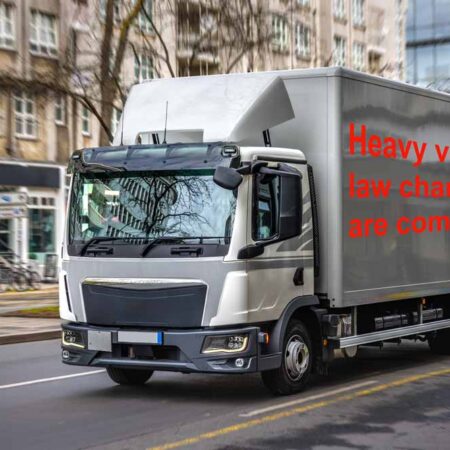


As the clock ticked over to 1 August 2026, an important change came into effect that now impacts every transport business across Australia. What has changed, and what does it have to do with drugs and alcohol, and drivers being fit for duty?
Heavy Vehicle National Law (HVNL) reforms kicked in at the start of the month. While the reforms are extensive (you can find full details here) one of the key changes is an expansion of safety obligations from fatigue management alone to a broader fit for duty requirement.
This change directly impacts how transport businesses manage drug and alcohol risk, including prescription medication, as well as other fit for duty factors. The expectation is no longer just that drivers are rested. It’s expected they’ll be fully fit to drive in every sense.
Fit for duty replaces fatigue-only thinking
As highlighted in our introduction and promoted in a blog on June 30, the HVNL now requires a broader assessment of driver fitness. In simple terms, a driver is unfit to drive if any factor impairs safe driving.
This includes:
- Alcohol use
- Illegal drug use
- Prescription medication effects
- Illness or injury
- Mental health conditions
- Any condition affecting safe driving ability
This shift has significantly increased operational responsibility for transport operators. It also places stronger expectations on transport drug and alcohol testing systems and broader fitness-for-work controls.
It’s not just alcohol and illegal drugs
Alcohol and drug impairment continues to be one of the highest safety risks in transport operations. The reform framework reinforces this and highlights that impairment is not limited to illegal substances.
As well as alcohol and illegal drugs, it includes:
- Prescription medication that causes drowsiness or reduced alertness
- Over-the-counter medication with similar side effects
- Combined substance impacts
What has changed operationally for businesses
The biggest impact of the HVNL reforms is operational. Transport businesses must now manage fit for duty in real time.
This includes:
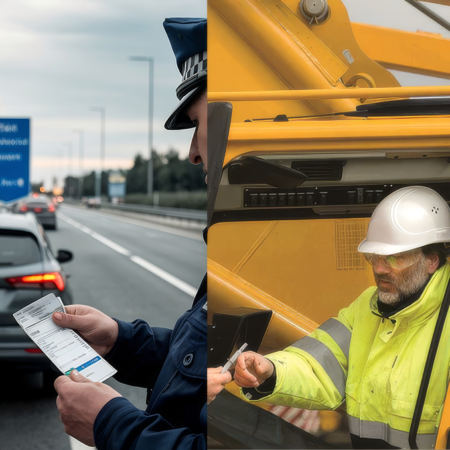
- Assessing driver fitness before shifts
- Managing medication disclosure processes
- Strengthening supervisor decision-making
- Monitoring fatigue and impairment together
- Reviewing scheduling pressures
- Expanding transport drug and alcohol testing programs
The focus has moved from policy compliance to daily operational execution. Businesses must now demonstrate that systems are actively used, not simply documented. Businesses are expected to actively manage impairment risk before a driver enters a vehicle.
It also adds to the importance of strong workplace drug and alcohol management, backed up by regular testing. Workplace drug and alcohol management and testing are not just compliance tools in the transportation industry. They are core operational controls.
Why policies alone are not enough
Most transport businesses already have policies covering drugs, alcohol and fitness for work. However, the HVNL reforms raise the expectation from documentation to proof.
Safety isn’t demonstrated by having a policy. It’s demonstrated by consistently applying it in the workplace.
The key question is now:
Can your transport business demonstrate your system is working in practice?
Regulators will look for evidence such as:
- Active drug and alcohol testing programs
- Supervisor intervention records
- Training completion and refreshers
- Incident management and follow-up actions
- Evidence of enforcement
- Ongoing system reviews
If a policy exists but is not enforced, it will not meet the intent of the law.
Chain of responsibility still applies
The HVNL reforms operate alongside the existing Chain of Responsibility (CoR) framework. CoR ensures that safety responsibility is shared across the transport supply chain.
This includes:
- Company directors and executives
- Transport managers
- Schedulers and planners
- Loaders and consignors
- Receivers of goods
Each party must take reasonable steps to prevent unsafe transport outcomes. This includes preventing a driver from operating while impaired by alcohol, drugs, or medication.
How drug and alcohol testing supports compliance
Effective workplace drug and alcohol testing is a key control under both HVNL and CoR obligations.
It supports compliance by:
- Identifying impairment risks early
- Deterring unsafe behaviour
- Supporting fitness for duty decisions
- Providing evidence of due diligence
- Reinforcing safety culture across the workforce
Your next step
Can you demonstrate your fit for duty system is actually working today? Is your drug and alcohol management program, as well as testing, robust enough to handle the reforms?
If you have any doubts, get in touch with Integrity Sampling. We can help you strengthen the way drugs and alcohol are managed in your business, creating a safer workplace. And protecting your business in the long run.
FEATURED IMAGE CAPTION:
Heavy Vehicle National Law reforms started on 1 Aug 2026. Fit for duty now goes beyond fatigue to include drugs, alcohol & medication.