
We all know the big impact that AI and automated systems are having on the world. While much of this is valuable, there are also plenty of concerns, including recent concerns from several organisations about drug education.
The concerns were highlighted in a recent report by the ABC News.
Advocacy groups and health experts in Australia are raising the alarm over how tech giants like Meta and TikTok use AI to moderate content. These platforms use automated “blunt” algorithms to scan for keywords related to illicit substances. While the goal is to stop drug trafficking, the AI often fails to understand context.
As a result, life-saving harm reduction information is being censored. Organisations such as Pill Testing Australia have found that critical alerts regarding high-potency substances or dangerous synthetic opioids are being flagged and removed.
This “digital wall” means that during music festivals or public health crises, the people who need safety information the most are unable to find it. Health workers are even resorting to using symbols and numbers to “code” their posts, just to get past the bots.
In a small way, Integrity Sampling has also been hit by these “digital walls”. At times our content on Google AdWords has been removed, often because Google’s algorithms believe our ads and website promote restricted drug terms or medical content. While a quick review fixes this, it does demonstrate how AI can get it wrong.
These situations serve as a reminder that while technology is powerful, it still lacks the human nuance required to manage complex safety issues.
How AI is changing workplace drug and alcohol management
Despite these and other challenges in the social media sphere, AI is making impressive strides in the professional safety sector. And it can help in workplace drug and alcohol management.
Here are a few ways in which AI may be able to be used to help Australian business better manage drug and alcohol risks in their workplaces, now and into the future:
- AI excels at pattern recognition. By analysing years of historical data, machine learning models can identify “high-risk” periods. This might include certain shift rotations, specific roles, or seasonal peaks where incidents are statistically more likely to happen. This can be used to allocate drug and alcohol testing resources in a more targeted and efficient way.
- AI-driven software can reduce the administrative burden of maintaining a drug and alcohol free workplace. For example, by managing follow-up or return-to-duty testing schedules. AI can also be used to help with logging of test results and chain-of-custody documentation.
- AI can be used to scan safety reports and near-miss logs to categorise incidents related to substance use, helping safety managers see emerging trends across the organization.
- Predictive models in healthcare settings have shown high accuracy in identifying individuals at risk of developing substance use disorders, allowing for early, compassionate intervention.
- AI can provide leadership with high-level data on the general well-being and stress levels of the workforce without compromising individual privacy, allowing for better-targeted wellness initiatives.
- Looking into the future, we may see wearable technology being used in workplace safety. It’s hoped that smart devices will provide a “readiness to work” score before an employee even steps onto the site.
- There are also new AI tools being developed to monitor physiological indicators in real-time. These systems look for changes in eye movement, gait, or speech patterns that suggest fatigue, cognitive strain, or potentially someone who is under the influence. This allows supervisors to step in before an incident occurs.
Why innovation matters for your business
Technology should always serve a clear purpose: keeping people safe. Which also requires a partner who understands the evolution of safety standards.
Integrity Sampling has been at the forefront of the workplace drug and alcohol management industry for over two decades. We pioneered saliva drug testing in Australian workplaces more than 20 years ago. At the time, it was a revolutionary shift toward detecting recent use and current impairment rather than history. Since then, we haven’t stopped innovating.
We understand that a truly safe workplace is built on a foundation of education, clear policy, and reliable testing methods. Whether we are utilising the latest in onsite testing technology or helping you develop a robust drug and alcohol policy, our goal remains the same. We provide the expertise you need to ensure your team returns home safely every single day.
Innovation is in our DNA. As AI and automated systems continue to evolve, Integrity Sampling will continue to lead the way, ensuring that Australian businesses have access to the most effective, fair, and scientifically backed safety solutions available.
FEATURED IMAGE CAPTION:
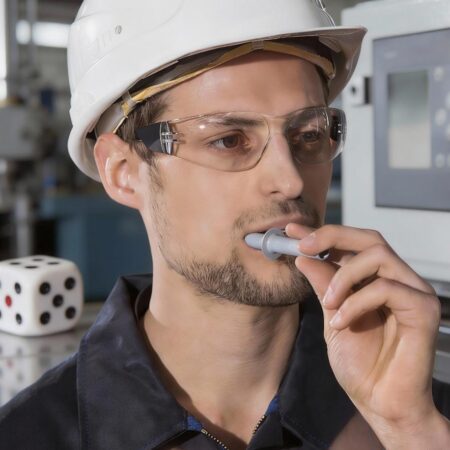
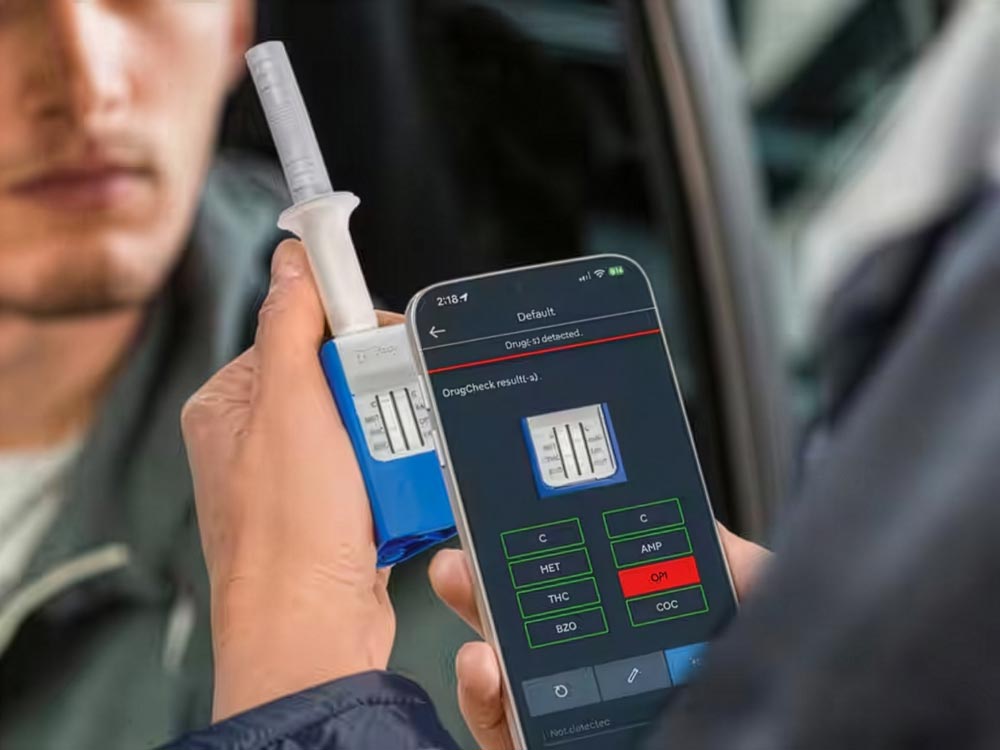
While workplace drug and alcohol testing may one day be driven predominantly by AI, today tools like the Dräger DrugCheck 3000 7-panel drug kit are the most accurate and reliable way to detect someone who has recently used drugs.