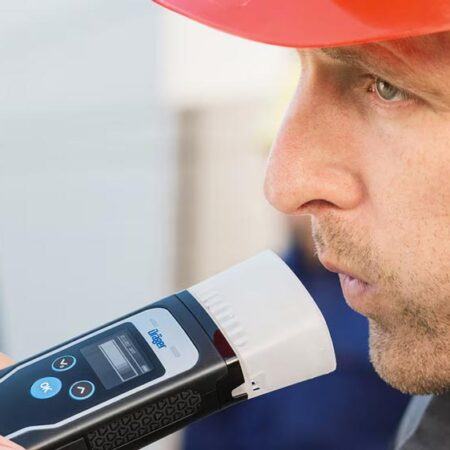


Media coverage of Western Australia’s wastewater testing results is missing the mark, according to an article published on a WA news website. Much of the attention has focused on methamphetamines and other illicit drugs, while alcohol barely gets a mention. Which can mask the harm that alcohol causes to the community. And, at work, may mask the need for workplace alcohol testing.
The recent WA Today article highlights this issue and questions why alcohol rarely dominates the news cycle despite its widespread impact. While the article is an opinion piece, it raises several valid points about how we interpret drug data and what we choose to focus on in public reporting.
National Wastewater Drug Monitoring Program
The National Wastewater Drug Monitoring Program regularly tests for a wide range of substances across Australia, including in Western Australia.
Importantly, it does not only focus on illegal drugs. It also provides an estimate of consumption of legal drugs, like tobacco and alcohol. Despite this, alcohol rarely becomes the headline story.
There are a few clear reasons why alcohol is often overlooked in media articles on the wastewater drug testing:
- Alcohol consumption is relatively stable in WA compared to illicit drugs
- Recent reporting periods show a slight decrease in estimated alcohol use in WA compared with capital and regional averages across all reports
- Alcohol is legal, so it does not attract the same “shock value” as illegal substances like methamphetamine or cocaine
In short, a stable or declining legal substance does not generate dramatic headlines. Illicit drugs, on the other hand, are more likely to drive media attention due to their status and perceived social impact.
Alcohol remains one of the most harmful drugs in WA
Despite being legal, alcohol is still one of the most harmful substances in Western Australia when its overall impact is considered.
When evaluating harm across society:
- Alcohol is consistently ranked among the most harmful drugs overall
- It often ranks above heroin, methamphetamine and cocaine in total population harm
- While drugs like fentanyl and heroin may have higher individual overdose risk, alcohol causes far greater harm at a population level due to widespread use
This distinction is important. A substance does not need to be illegal to be dangerous.
Workplace drug and alcohol testing trends in WA
From a workplace safety perspective, alcohol remains an ongoing concern, even if detection rates are lower than some other substances.
In workplace testing environments:
- Cannabis is always the most detected substance and accounts for more than 40% of non-negative detections
- Alcohol accounts for around 3% of non-negative detections
- Like on our roads, alcohol-related detections have decreased significantly over the past few decades, due to awareness efforts across many years.
Even with lower detection rates, alcohol still presents a risk. People do still attend work after drinking, causing risks for themselves, their colleagues and in some cases the public.
Workplaces in WA continue to need clear policies and alcohol testing programs to manage this risk effectively.
How Integrity Sampling helps WA workplaces
Integrity Sampling works with organisations across Western Australia to manage drug and alcohol risk in the workplace.
This includes:
- Workplace drug and alcohol testing programs
- Policy development and compliance support
- Education around impairment risks
- Random, post-incident, and under suspicion testing services
The goal is simple: reduce risk, improve safety, and support better decision-making in workplaces.
We have 10 locations in WA with geographical reach across much of this vast state. Contact us today to discuss your needs.
FEATURED IMAGE CAPTION:
What do our toilets tell us about our estimated drug consumption in WA? And what are the news headlines not telling us about alcohol?