
Soaring meth abuse at work prompts warning to bosses, screamed one recent news headline. Cocaine use at work up 18% year on year, blasted another. So let’s add to the headlines with one of our own.
Cannabis remains the most commonly detected drug in workplace testing across Australia.
It’s certainly not as flashy or alarming as the other headlines, but it is a trend we see year after year. While drugs such as methamphetamines, cocaine and others are always a concern, cannabis is the substance that mainly shows up in our workplace drug testing. It is the drug most likely to affect fitness for work, and it is the drug employers should be paying the most attention to.
This article explains why cannabis dominates workplace drug testing results, why some reports show different trends, and what employers should do to manage cannabis impairment at work.
Why cannabis dominates workplace drug testing results
Cannabis continues to be the leading drug detected in Integrity Sampling’s national testing programs. This trend is consistent across industries, regions and testing volumes. It appears in transport, construction, manufacturing, logistics, utilities and other safety‑critical sectors.
Several factors explain why cannabis dominates workplace drug testing.
- High recreational use — Cannabis remains Australia’s most widely used illicit substances (see below). Its social acceptability means some workers underestimate the risks.
- Misunderstanding of medicinal cannabis — Many employees assume medicinal cannabis is automatically safe or exempt from workplace policies. But many medicinal cannabis medications contain THC, the psychoactive cannabinoid in the cannabis plant. Fit‑for‑duty and impairment remain critical concerns.
- Perception of lower risk — Workers often view cannabis as a low‑harm substance compared with methamphetamine, cocaine and other drugs. This leads to more frequent use and higher detection rates.
Why some reports show different drug trends
You may see media articles or industry reports suggesting that stimulants or cocaine are now the most detected workplace drugs. In fact, a recent one stated that six in ten positive workplace drug testing results are for amphetamine‑type stimulants, including methamphetamines.
While we’re not discrediting these reports, we can say it’s not what we’re seeing. So why is this the case?
Several factors can explain the differences:
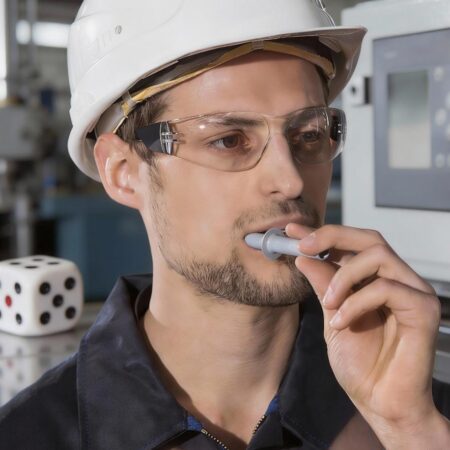
- Testing method — Many workplace drug testing providers use urine samples. Urine testing captures historical use. Saliva testing – which we use and recommend – focusses on recent use and impairment.
- Industry mix — Some datasets are heavily weighted toward a particular industry or industries, including in some cases industries where safety isn’t a significant risk, which can skew substance profiles.
- Geographic concentration — Regional hotspots can distort national trends.
Integrity Sampling’s data reflects real‑world workplace risk. It shows what employers are actually dealing with, not a generalised national average.
National research supports cannabis as the most detected workplace drug
National research also indicates why cannabis is likely the number one drug detected in the workplace. It is simply because cannabis is the most widely used illicit drug in Australia.
Around 11.5% of Australians over 14 years of age have used cannabis in the last 12 months, while 5.8% use the drug monthly or more regularly.
This compares to previous 12 month usage of other drugs:
- Methamphetamines or ICE — 1.3%
- Cocaine — 4.2%
- Heroin — 0.1%
- MDMA or ecstasy — 2.1%
- Amphetamines — 1%
Cocaine use is rising, as we reported recently in a blog, and this is concerning. But use across Australia is still not close to that of cannabis. When a substance is used more often, it is detected more often. This is exactly what our workplace drug testing shows.
Why cannabis matters for workplace safety
Cannabis impairment affects reaction time, coordination, decision‑making and situational awareness. These are critical factors in safety‑sensitive roles. Even small lapses can lead to serious incidents.
Cannabis impairment can also be harder to identify visually. Unlike alcohol, there is no obvious smell or behaviour pattern. Workers may appear normal while still being impaired. This makes consistent workplace drug testing essential.
Employers should treat cannabis impairment with the same seriousness as any other drug. Fit‑for‑duty applies equally to all substances.
What employers should do now
Employers can take several practical steps to manage cannabis and workplace drug testing risk:
- Update drug and alcohol policies — Policies should clearly address medicinal cannabis, impairment and fit‑for‑duty expectations.
- Use consistent testing programs — Regular testing, including random testing, provides reliable insight into workforce risk.
- Educate employees — Clear communication helps correct misconceptions about cannabis use and impairment.
- Provide support pathways — Workers may need help understanding prescriptions, impairment risks or policy requirements.
A proactive approach reduces risk and supports a safer workplace.
What it means for employees
Don’t be swayed by the big headlines. Cannabis remains the most detected drug in Australian workplace drug testing conducted by Integrity Sampling. It’s also the most widely used illicit drug in the country. This means it is the substance most likely to affect fitness for work.
This doesn’t negate the impact that other drugs can have. It simply means cannabis continues to present the most consistent and widespread drug risk in day‑to‑day workplace safety.
Employers should focus on their own workforce, their own risk profile and their own testing results. Consistent testing, clear policies, employee support programs and education remain the most effective way to manage impairment and protect safety.
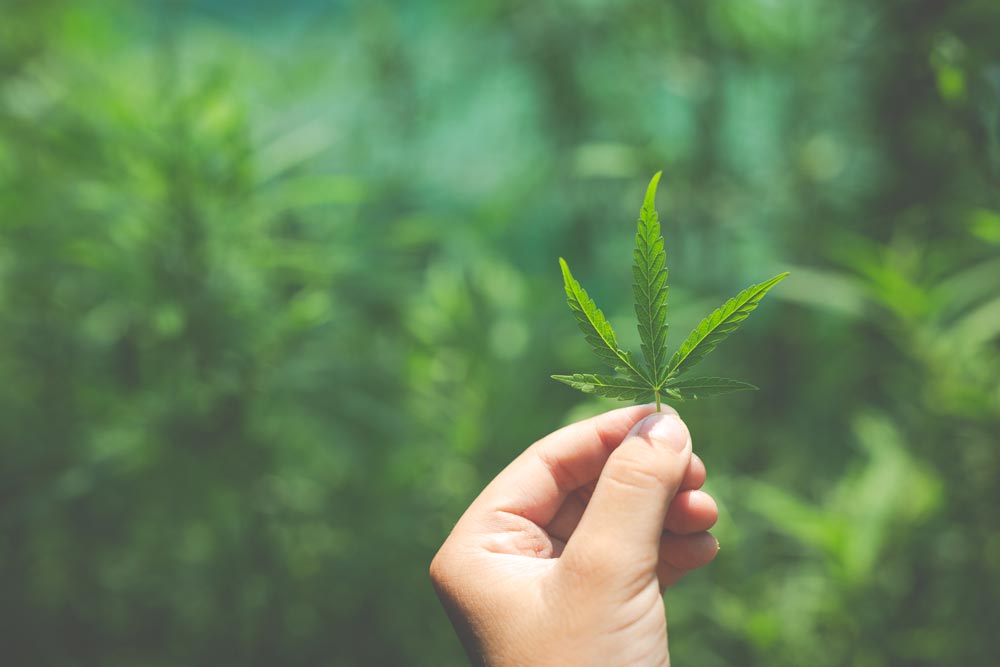
FEATURED IMAGE CAPTION:
Workplace testing conducted by Integrity Sampling shows that cannabis is the most detected illicit drug.