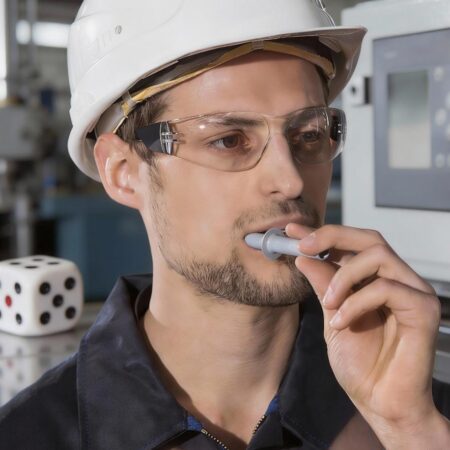


In a safety-sensitive workplace, maintaining a drug and alcohol-free environment is vital. That’s why employers invest significant time and resources into workplace drug and alcohol management and testing. They do so to help protect their employees, reduce risks, meet legal obligations and, ultimately, improve the bottom line.
But what about contractors and visitors who come on site? Should they also be subject to the same rules when it comes to drugs and alcohol. Should they face drug and alcohol testing?
In short, yes, they should and we’ll explain why in this post.
You must provide a safe workplace for everyone
Under Australia’s Work Health and Safety (WHS) laws, employers have a duty of care to ensure the health and safety of all people in the workplace — not just employees. This includes contractors, subcontractors, labour hire workers, consultants, volunteers, and even visitors.
This obligation applies regardless of how frequently or for how long a person is on site. If someone is present in a high-risk area — even briefly — and is impaired by drugs or alcohol, the risk to health, safety, and operations is real.
Whether a person is employed full-time, brought in to complete a short-term task, or visiting for a quick meeting, their presence can still have serious consequences if they are under the influence.
Imagine a contractor working on scaffolding while affected by drugs, or a delivery driver under the influence walking through a busy warehouse. Their employment status doesn’t make them less of a risk. In fact, you could argue they may pose an even higher risk if they’re unfamiliar with your procedures or safety culture.
What are other businesses doing?
Across many safety-sensitive industries — including mining, construction, transport, logistics, manufacturing, and energy — it is now common for employers to extend drug and alcohol policies to contractors and visitors.
How does this work in practice? Here are some examples:
- A workplace may treat contractors in the same way as employees. This may include facing the same testing – including under suspicion, post incident and random – as employers. And they may need to complete an induction – that includes drug and alcohol awareness – before they’re allowed access to the site.
- While most workplaces wouldn’t include visitors in random drug and alcohol testing, they may face testing if they’re involved in an accident or it’s believed they may be under the influence. Many workplaces also have a visitor induction or sign-in process that includes awareness of drugs and alcohol.
Your policy and procedures are your ‘rulebook’ — follow them, always
However you treat contractors and visitors when it comes to drug and alcohol testing and awareness, your decision must be clearly documented in your drug and alcohol policy. Your policy is your ‘rulebook’ — it outlines your commitment to safety and sets the rules everyone must follow.
If an incident occurs, your policy is what you’ll rely on to demonstrate that your organisation acted reasonably, fairly and in line with established procedures. This is why it’s critical that your policy is clear, compliant, and consistently followed.
If your policy says contractors and visitors are subject to testing, you must enforce it. If it excludes them, be prepared to justify why. Inconsistencies or a lack of clarity in your policy can expose your business to legal risk — and compromise the safety of your workplace.
Benefits of including contractors and visitors in your testing program
There are multiple benefits to broadening your drug and alcohol testing scope:
- Everyone on site is held to the same standard, lowering the risk of accidents and injuries.
- If an incident occurs, having a comprehensive policy helps prove you took all reasonable steps to protect people.
- A clear and universal policy ensures no one feels unfairly targeted or exempt.
- Consistent rules help reinforce a workplace culture where safety is genuinely prioritised.
- Contractors and visitors may not be on your payroll, but while they’re on your site they’re part of your responsibility.
Common questions from employers
What if the contractor is employed by another company with their own drug and alcohol policy?
It’s great if a contractor’s employer has a policy in place. However, you’re still responsible for ensuring your workplace is safe. You can’t assume they’ve been tested recently or that their testing standards match yours. It’s wise to make drug and alcohol testing a condition of site access, regardless of external policies.
What about visitors who work in administrative roles?
While the risk is typically lower for administrative visitors, your policy should still include them.
In many workplaces, visitors are required to declare that they are not under the influence as part of the sign-in or induction process. If you have reason to believe someone is affected, you should have the authority to deny access or request a test.
How do we communicate this?
Clear, consistent communication is key. Include drug and alcohol expectations in contractor agreements, induction materials, signage, and visitor policies. Let people know before they arrive on site what your requirements are and always apply the policy in a respectful and professional manner.
How Integrity Sampling can help
At Integrity Sampling, we regularly assist businesses with implementing drug and alcohol testing that includes employees, contractors, and visitors. Our team can help you:
- Develop or revise your workplace policy to include all people on your site
- Design protocols for managing testing of contractors and visitors
- Set up pre-access and random testing procedures
- Provide on-site testing anywhere in Australia — even in remote areas
- Offer drug and alcohol education and induction materials
We also understand the importance of working within the legal and industrial relations frameworks. We’ll help ensure your policy is fair, transparent, and compliant.
Contact Integrity Sampling today.
FEATURED IMAGE CAPTION:
Should contractors and visitors face drug and alcohol testing in safety-sensitive workplaces? Find out the answer and how to protect your business.