

Workplace drug and alcohol testing is a routine safety measure used to help ensure workers are fit for duty. At Integrity Sampling, we've been conducting workplace testing since 2001 and, during that time, have completed hundreds of thousands of tests across Australia.
But how exactly is workplace drug and alcohol testing conducted, and what should employers and employees expect?
You may already know that onsite testing is designed to be efficient, respectful and minimally disruptive to operations. You may also know that trained technicians follow consistent procedures to deliver reliable and defensible results. However, that doesn't tell you what happens during a workplace drug or alcohol test.
Whether testing is being carried out as part of a random testing program, a pre-employment assessment, a post-incident investigation or for reasonable suspicion, the process follows clear and structured procedures.
How should a workplace prepare for onsite testing?
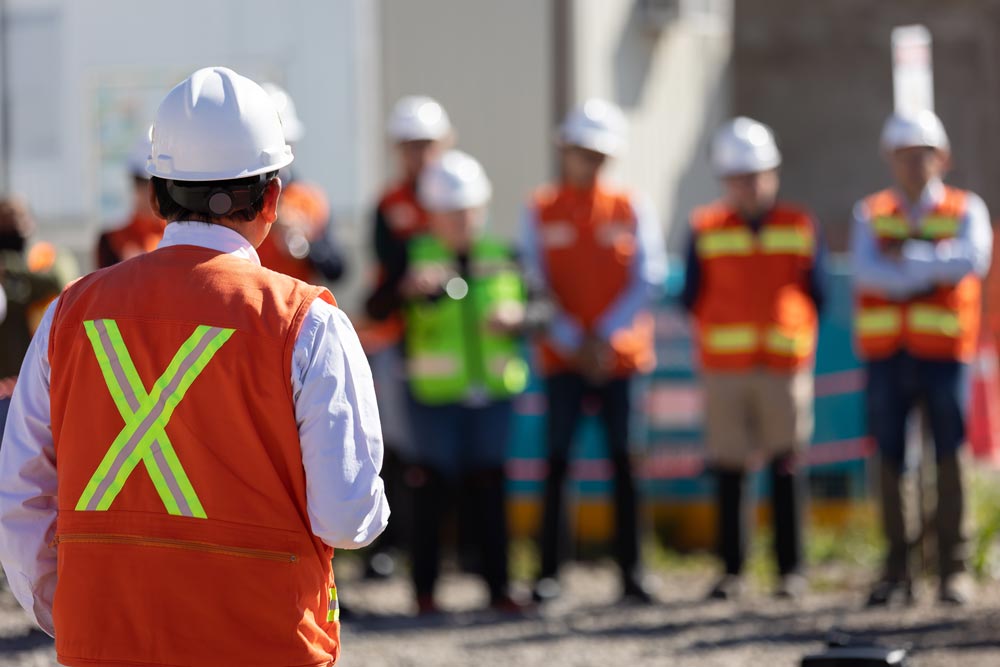
A little preparation helps ensure testing runs efficiently, with minimal disruption to normal workplace operations.
Before our Integrity Sampling technician arrives, employers should:
- Nominate an authorised contact: Have someone available onsite to coordinate the testing session and communicate with the technician.
- Provide a suitable testing area: Arrange a private room with adequate lighting, a desk or table, at least two chairs and access to power where required.
- Ensure employees have identification: Employees should have photographic identification available when presenting for testing.
- Prepare employees for testing: Employees should avoid eating or drinking for at least 10 minutes before oral fluid testing.
- Coordinate employee attendance: Where multiple employees are being tested, having the next person ready helps minimise delays and disruption to operations.
These arrangements help protect employee privacy while allowing testing to be completed as efficiently as possible.
If you're planning an upcoming testing session, you may also find our post on what is onsite drug and alcohol testing helpful, which explains why businesses choose onsite testing and the three main types of onsite testing.
What happens when the technician arrives?
The Integrity Sampling technician will generally arrive shortly before the agreed testing time to prepare the testing area and equipment. Typically, here is what happens next:
- The authorised workplace contact coordinates employees attending for testing.
- For random testing programs, employees are selected according to the agreed selection process. Integrity Sampling's preferred approach uses electronically generated random numbers to support an impartial selection process.
- Before testing begins, the technician checks the employee's photographic identification to confirm their identity.
- If an employee does not have photographic identification available, their manager may verify their identity and sign the testing record confirming this.
- Once identification has been completed, the employee proceeds with the testing process.
How is workplace drug testing conducted?
Integrity Sampling primarily uses oral fluid (saliva) testing for workplace drug testing, rather than urine testing. There are several reasons, with the main one is that saliva drug testing is a practical and effective way of identifying recent drug use that may impact workplace safety.
In addition, saliva testing is non-invasive, requires minimal preparation and generally takes only a few minutes to complete.
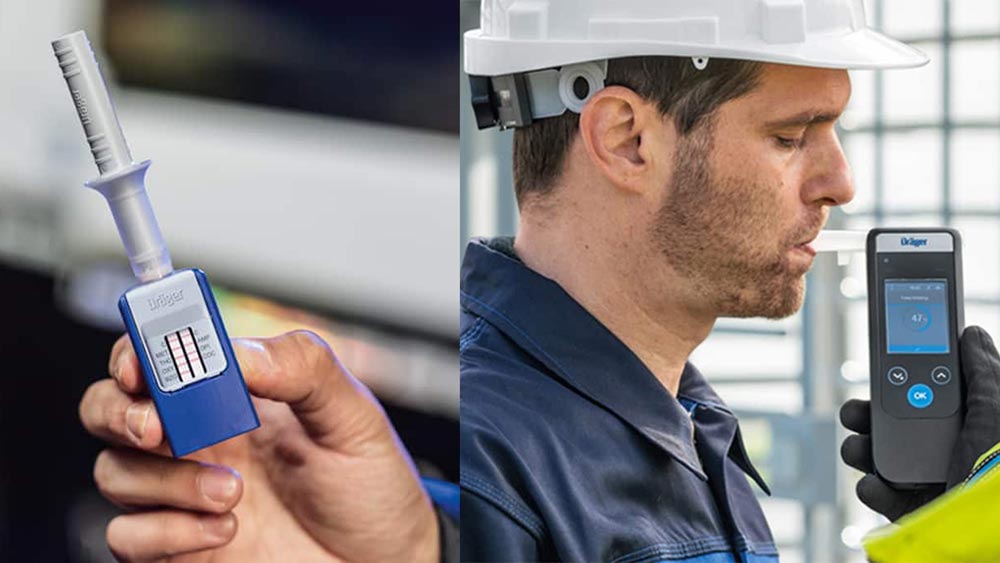
Through our Exclusive Dräger Partner relationship, Integrity Sampling uses the Dräger DrugCheck 3000 for all our workplace saliva drug testing. The process is straightforward. It takes around five minutes to provide a screening result:
- Collecting the sample: The employee places the collection device inside their mouth and swabs under the tongue, along the gums and around the cheeks. A colour indicator on the collection device shows when enough oral fluid has been collected.
- Preparing the test: The collection device is inserted into the testing unit, breaking an internal seal containing buffer liquid.
- Mixing the sample: The DrugCheck 3000 is shaken to mix the oral sample with the buffer liquid.
- Allowing the sample to develop: The testing unit is allowed to sit for a brief pre-incubation time.
- Activating the test: A security tab is removed, allowing the sample to be pushed down into the test kit.
- Reading the result: After the required testing period, lines appear in the viewing window. Control lines indicate that the test has operated correctly. A visible test line alongside a substance class indicates a negative result for that drug class. Where the control line is present but a corresponding test line is absent, the result is recorded as non-negative.

What happens if a drug test returns a non-negative result?
A non-negative result does not automatically mean a person is impaired, nor does it confirm the presence of a drug. It simply indicates that a substance may be present and further investigation is required.
What happens next will depend on the workplace’s drug and alcohol policy. Generally, when a non-negative result is recorded:
- The employee is removed from safety-sensitive duties as an interim safety measure.
- The employee is treated respectfully and confidentially while the process continues.
- A separate oral fluid sample is collected for laboratory confirmation. This sample is securely packaged under chain of custody procedures and forwarded to a NATA-accredited laboratory for analysis.
- Laboratory confirmation uses more specific analytical methods to identify substances and assess them against the applicable confirmation cut-offs. The laboratory result is the definitive result.
- The workplace follows its documented procedures while awaiting the confirmation result.
- No disciplinary actions are taken until a positive test result is confirmed by the laboratory.
- Integrity Sampling will provide testing reports to the authorised client contact, generally within 48 business hours.
Confirmation testing protects both employees and employers by ensuring that any decisions are based on verified laboratory evidence rather than an initial screening result alone. While the DrugCheck 3000 is extremely accurate (approximately 98.2% accuracy), no initial screening technology is 100% precise.
Using a NATA-accredited laboratory to confirm results aligns with best-practice workplace drug testing programs and supports a fair, defensible process.
How is workplace alcohol testing conducted?
Workplace alcohol testing is very similar to roadside breath testing.
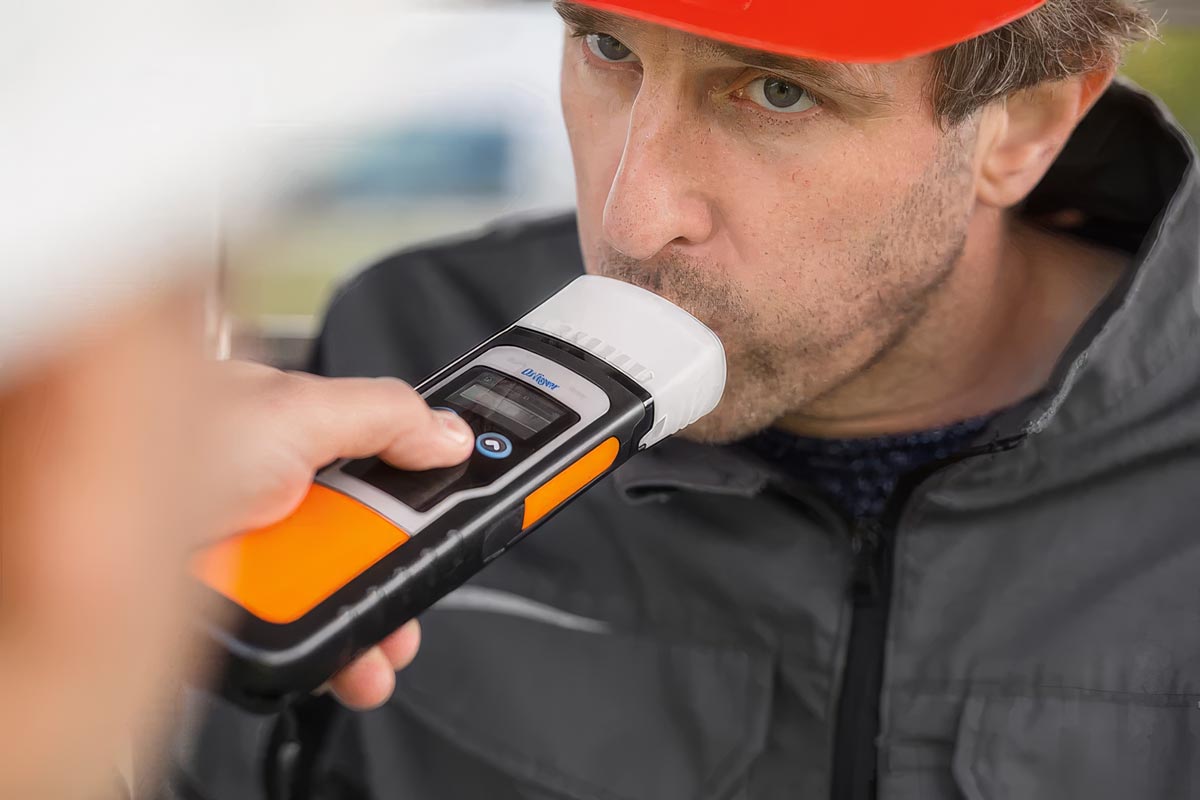
A calibrated breathalyser is used to measure a person's breath alcohol concentration (BrAC). At Integrity Sampling, we use Dräger Alcotest devices, including the Alcotest 6000. These devices use fuel-cell technology and comply with the Australian Standard for professional breath-alcohol testing devices, AS 3547:2019.
The process typically involves:
- Preparing the breathalyser: A new disposable mouthpiece is inserted into the breathalyser.
- Providing a breath sample: The employee blows steadily into the mouthpiece as instructed by the technician.
- Analysing the sample: The breathalyser measures the alcohol concentration in the breath sample.
- Recording the result: The breath alcohol concentration is displayed on the device and recorded by the technician. Depending on the device's configuration, readings may be displayed to three decimal places, such as 0.000.
- Preparing for the next test: The mouthpiece is discarded and a new one is fitted before the next employee is tested.
Alcohol testing is quick, non-invasive and provides an almost immediate result, making it highly practical and effective for workplace screening programs.
What happens if a person records a breath alcohol concentration above the workplace limit?
Every organisation's drug and alcohol policy should clearly define its acceptable alcohol threshold. In some safety-sensitive workplaces, this threshold is zero, while many workplaces may have alternative limits based on their risk profile and operational requirements.
If a worker records a result above the workplace's policy threshold, a second confirmatory breath test is conducted in accordance with testing procedures.
- This involves waiting for a period of 20 minutes.
- Conducting another breathalyser test using the same process as described above.
- If this result is above the workplace's policy threshold, the authorised workplace contact is notified and the organisation follows its documented response procedures.
- Generally, this includes removing the employee from safety-sensitive duties and managing the situation in accordance with the workplace's drug and alcohol policy.
Integrity Sampling can help
50+
Integrity Sampling locations throughout Australia
What happens after onsite testing is completed?
Following the testing session, the technician completes the required testing records and documentation.
Integrity Sampling provides the testing reports to the authorised client contact through its established reporting procedures.
Where a non-negative drug screening result requires laboratory confirmation, Integrity Sampling manages the confirmation sample through the chain-of-custody process and arranges for the laboratory report to be forwarded to the authorised contact once received.
Testing records and results are handled confidentially, with information provided only to authorised parties.
For employers, this provides a documented record of the testing undertaken and the information required to manage any subsequent workplace response in accordance with their policy.

Why understanding the onsite testing process matters
Workplace drug and alcohol testing is most effective when it forms part of a broader drug and alcohol management program supported by clear policies, employee education, supervisor training and appropriate procedures for managing results.
Understanding the testing process helps employers prepare their workplace, communicate expectations to employees and respond appropriately when testing is required. For employees, knowing what to expect can also reduce uncertainty about the testing process, their privacy and how results are handled.
At Integrity Sampling, our role extends beyond conducting individual tests. We work with organisations to establish, implement and maintain practical workplace drug and alcohol programs, supported by consistent testing procedures, reporting and ongoing assistance.
Is your workplace drug and alcohol testing program fit for purpose?
Whether you're introducing workplace testing, maintaining a regular testing program or reviewing your current arrangements, Integrity Sampling can help.
With more than 25 years of experience, trained technicians across Australia and industry-leading Dräger testing equipment, we provide practical testing solutions backed by reliable processes and professional support.
From random and pre-employment testing to post-incident and reasonable suspicion testing, we'll work with you to understand your requirements and find an approach that supports your workplace safety objectives.
Let's make workplace safety a priority. Talk to the Integrity Sampling team about your workplace drug and alcohol testing requirements.