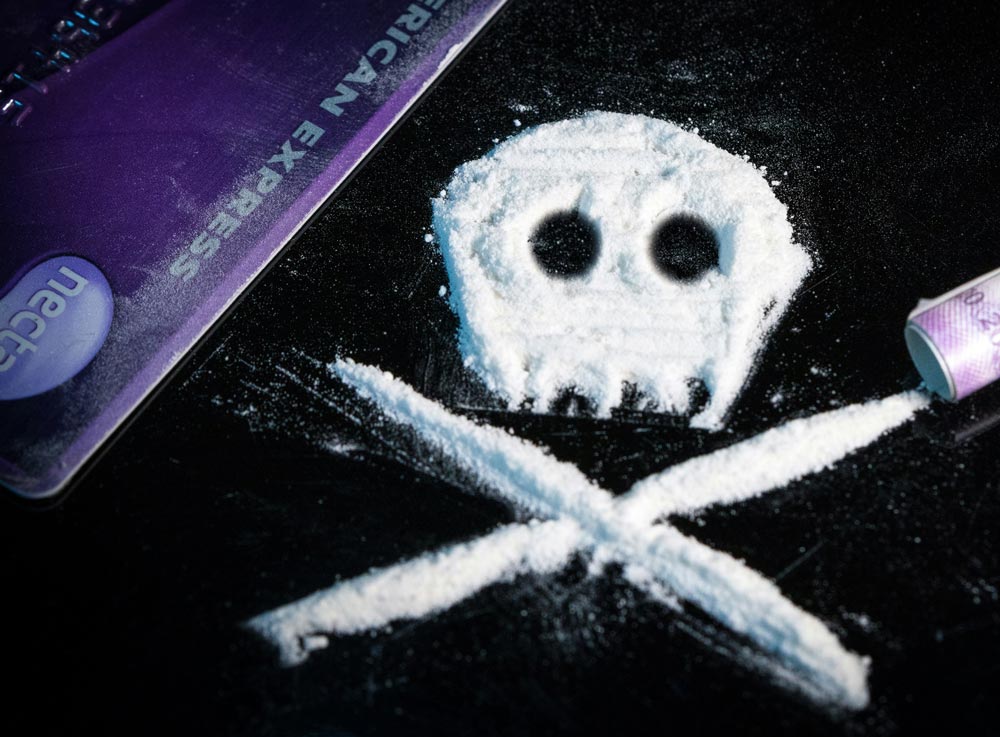

Recent reports highlight that cocaine use in South Australia has increased dramatically over the past decade. However, is it fair, or more importantly correct, to blame the rising cost of alcohol?
That question has sparked debate following the release of data from the National Wastewater Drug Monitoring Program, which suggests cocaine use across South Australia has surged in recent years. According to figures reported by Adelaide Now, annual cocaine consumption in the state has increased by 295 per cent, rising from 107.1kg in 2016 to 422.6kg in recent monitoring data.
The figures formed the basis of the Adelaide Now report, which explored whether changing social habits, combined with cost-of-living pressures, may be influencing drug use trends across the state.
Among those weighing into the discussion was Anna Moeller, CEO of the Australian Hotels Association South Australia, who suggested the increase in cocaine consumption may not be entirely unrelated to declining alcohol consumption and the rising cost of a night out.
"I think the fact you're seeing it increase at the same time as you're seeing a decline in alcohol consumption and people going out and enjoying a night out ... I think it's more than a coincidence that those things are both happening at the same time," Ms Moeller said in the Adelaide Now article.
She also noted that some patrons may be seeking alternatives to traditional drinking culture.
"You see people looking for a workaround and I think that's what we're seeing here – they look for cheaper alternatives, and they unfortunately tend to move outside of regulated platforms and into a more insidious space. I think these figures are reflective of that."
Not everyone agrees that alcohol pricing is driving the trend. Other industry representatives interviewed by Adelaide Now cautioned against drawing direct links between the price of drinks and illicit drug use, noting that wastewater data can show what is being consumed, but not necessarily why people are consuming it.
What the data does tell us is that cocaine use in South Australia is becoming more common.
Indeed, it's a trend we're seeing across the nation. As we reported in our July blog, cocaine use in Australia is increasing and, perhaps unsurprisingly, workplace drug testing is detecting more of the drug than ever before.
What does the rise in cocaine use in South Australia mean for workplaces?
What does the increase in cocaine use in South Australia mean for workplaces?
As we've already highlighted, workplace drug testing is detecting more cocaine. This finding comes from Integrity Sampling's testing programs across Australia and across a wide range of safety-sensitive industries. Around four per cent of all positive workplace drug tests each year are for cocaine.
While cannabis remains by far the most detected illicit drug, cocaine detections are increasing.
That trend is not entirely unexpected. Workplaces are often a reflection of the communities in which they operate. As the use of any substance increases across the broader population, organisations may face a greater likelihood of encountering impairment-related risks among workers, contractors and visitors.
That does not mean rising community use automatically translates into workplace incidents. However, it does reinforce the importance of maintaining robust fitness-for-work systems, clear drug and alcohol policies, employee education and appropriate testing programs where risk assessments support them.
For employers, the focus should not be on why cocaine use is rising. The focus should be on ensuring workers remain fit for duty and able to perform their roles safely.
Looking beyond the headlines
The debate about whether alcohol prices are contributing to increased cocaine use will likely continue.
What is beyond debate is that cocaine use in South Australia has risen substantially over the past decade. It is a trend that deserves attention from health authorities, policymakers, employers and the broader community.
As drug-use patterns evolve, organisations that regularly review their fitness-for-work strategies will be better positioned to manage risk, support employees and maintain safe workplaces.
Integrity Sampling has been helping Australian workplaces manage drug and alcohol risks since 2001. Our South Australian team delivers workplace drug and alcohol testing, policy support, training and complete fitness-for-work solutions tailored to your organisation's needs.
Whether you need a proactive testing program, post-incident testing, policy advice or support developing a comprehensive fitness-for-work framework, our team can help.
Contact Integrity Sampling South Australia to discuss practical, compliant solutions that help keep your workforce safe, productive and fit for work. Trusted by Australian workplaces since 2001, we provide local support backed by national capability and industry-leading expertise.
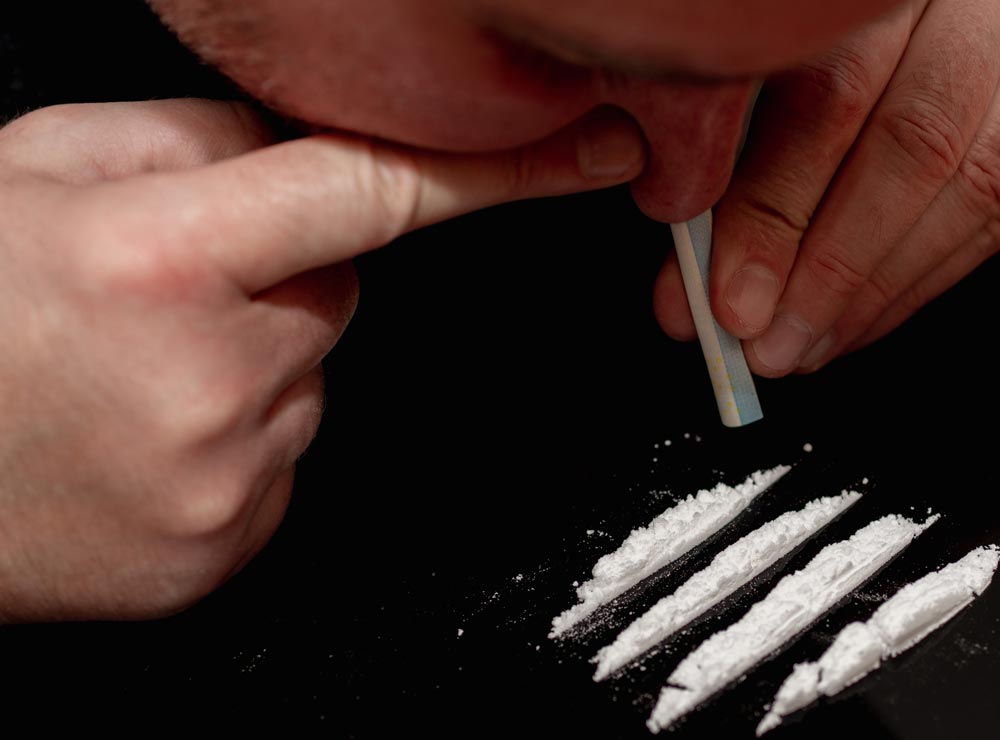
FEATURED IMAGE CAPTION:
A South Australian main consumes cocaine.