
Queensland drivers will soon face significantly tougher penalties for drug and drink driving, with new laws passed by state parliament aimed at reducing road trauma and improving road safety.
The reforms, which take effect from December 2026, introduce higher fines, minimum penalties and stricter licence disqualification periods for motorists detected driving with drugs or alcohol in their system.
The changes come as the Queensland Government responds to a steady increase in road deaths and serious injuries. While the primary focus is on dangerous behaviour behind the wheel, the reforms also provide an important message for employers and employees in safety-sensitive workplaces.
What has changed under Queensland’s new drug driving laws?
The new legislation substantially increases penalties for motorists who test positive to illicit drugs during roadside testing.
From December, drivers found with methamphetamine, cocaine, MDMA or THC in their saliva can face:
- Fines of up to $4,835
- A minimum licence disqualification of two months
Drivers who test positive to drugs and are also found to have an illegal blood alcohol concentration face even tougher penalties, including:
- Fines of up to $5,699
- A minimum licence disqualification of three months
Importantly, the reforms introduce minimum court-imposed penalties. Previously, courts had greater discretion when determining fines and, in some cases, penalties for drug or drink driving were lower than fines issued for mobile phone use or seatbelt offences.
The Queensland Government says the changes will better reflect the seriousness of driving while impaired and create a stronger deterrent for unsafe behaviour.
Why Queensland is increasing penalties
According to the state government, the reforms are part of a broader road safety strategy.
Queensland’s road toll increased by 35 per cent between 2019 and 2024, prompting calls for stronger enforcement measures. As a result, the government reviewed crash data, enforcement trends and expert advice before introducing the legislation.
The government’s view is simple: drivers who choose to get behind the wheel after consuming drugs or alcohol create unnecessary risks for themselves, their passengers and other road users.
Therefore, stronger penalties are intended to discourage high-risk behaviour before it occurs rather than simply punish drivers afterwards.
The medicinal cannabis debate
One area that attracted considerable discussion during consultation, as it has in other parts of Australia, was medicinal cannabis.
Some stakeholders raised concerns that THC can remain detectable in saliva after any impairment has passed. As a result, lawful medicinal cannabis users may potentially test positive during roadside testing despite not feeling impaired.
However, the Queensland Drug Driving Review decided to maintain a presence-based testing approach. In other words, if a relevant drug is detected, penalties may still apply. This is regardless of whether THC is due to medicinal cannabis taken with a prescription, taken without a prescription, or due to illegal cannabis use.
What the changes mean for Queensland motorists
For drivers, the message is straightforward.
The financial, legal and practical consequences of drug driving and drink driving in Queensland are increasing. Higher fines, mandatory penalties and licence disqualifications can have a significant impact on day-to-day life.
Losing a licence may affect a person’s ability to travel, meet family commitments or attend work. Furthermore, a driving offence can sometimes have consequences for professional licences, insurance arrangements and employment opportunities.
For that reason, motorists should carefully consider the risks before driving after consuming alcohol, illicit drugs or medications that may affect their ability to drive safely.
In some Queensland workplaces, the consequences are also large
While the new roadside penalties are substantial, workplace consequences can, in some cases, be even more severe.
Many Queensland workplaces have their own drug and alcohol policies that set expectations around fitness for work. The consequences for a positive test can vary significantly between employers and industries.
In many workplaces, a positive result may lead to education, support programs, follow-up testing or documentation on an employee’s personnel record.
However, some safety-sensitive industries apply much stricter standards because of the potential consequences of an impaired worker performing critical tasks.
For example, the expectations placed on a pilot, truck driver, bus driver or train operator are often very different from those applied in lower-risk workplaces. In these sectors, employers may operate under zero-tolerance policies or industry-specific regulatory requirements.
Consequently, a positive drug or alcohol test could result in immediate removal from duty, disciplinary action, loss of accreditation or other serious employment consequences.
The exact outcome depends on the circumstances, the substance involved and, most importantly, the workplace drug and alcohol policy.
Know the rules that apply to you
Queensland’s tougher drug and drink driving penalties are designed to improve road safety and reduce the number of lives lost on the state’s roads.
However, roadside penalties are only one part of the picture.
Employees should also understand the expectations that apply in their workplace. Drug and alcohol policies differ between organisations, particularly in safety-sensitive industries where the risks associated with impairment are much higher.
Whether on the road or at work, understanding the rules, knowing the potential consequences and making informed decisions remains the best way to protect yourself and those around you.
Note: Employers looking for help with workplace drug and alcohol testing, policy development or education should contact Integrity Sampling in Queensland.
FEATURED IMAGE CAPTION:
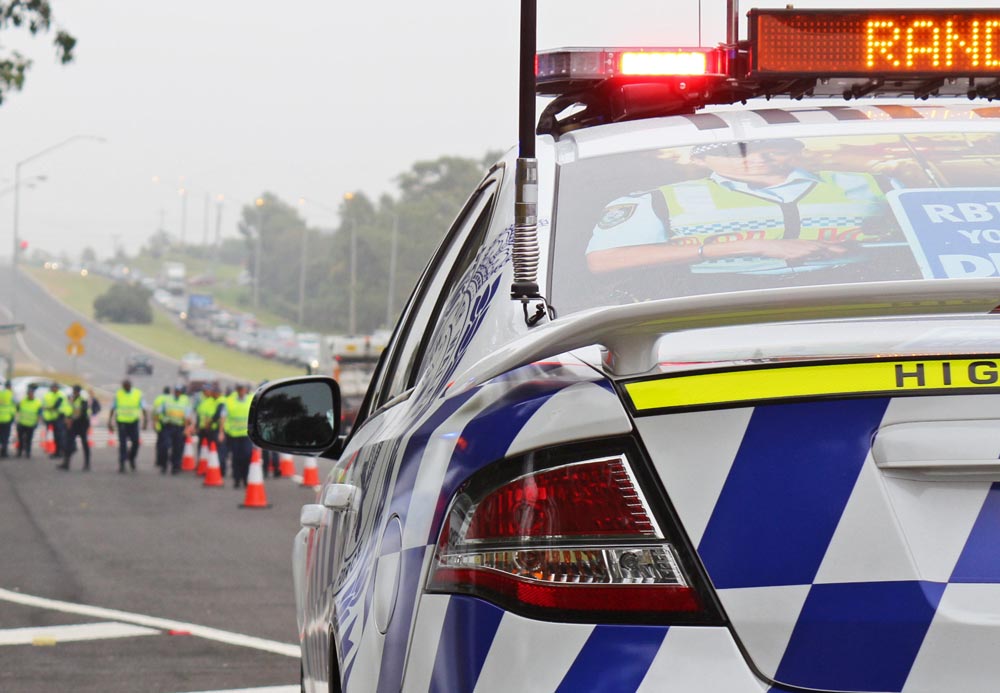
Queensland drivers will soon face tougher penalties for drug and drink driving. Credit Highway Patrol Images https://www.flickr.com/photos/special-fx/8614809551/in/dateposted/
SECONDARY IMAGE CAPTION:
Queensland has sent a strong message to drivers: drive with drugs in your system and roadside drug testing will catch you.