

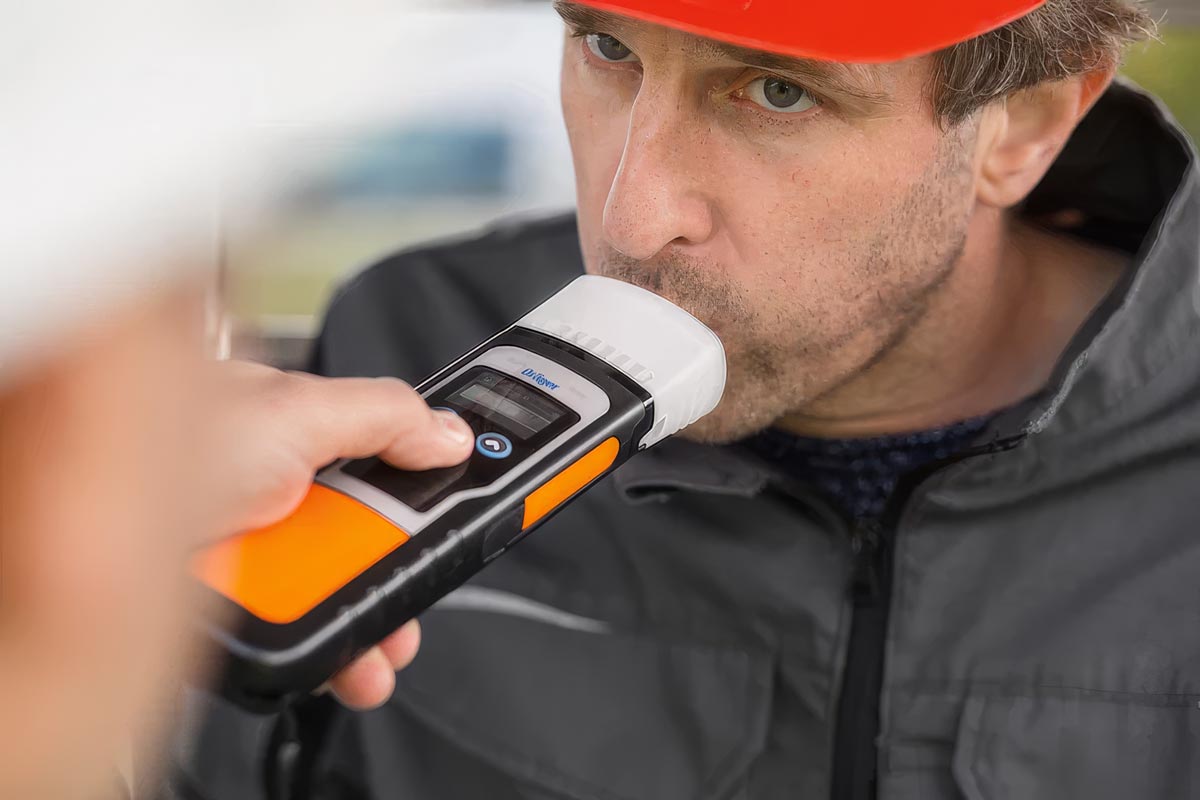
Misunderstandings about workplace drug and alcohol management are more common than many people realise. Even in safety‑critical industries, long‑standing myths continue to influence how employees think about impairment, testing, and fitness for work. These misconceptions can weaken safety culture, undermine compliance, and increase the likelihood of incidents.
That’s why our September edition of the Behind the Test newsletter focuses on one theme: debunking the myths that refuse to die.
This month, we unpack the beliefs that cause the most confusion — from how long alcohol and drugs stay in the body, to whether “quick fixes” can speed up sobriety, to surprising facts about alcohol that still catch people off guard.
For organisations committed to maintaining a safe, fit‑for‑work environment, understanding these myths is essential.
Why Myth‑Busting Matters
Clear, accurate information is one of the most powerful tools in workplace safety. When employees misunderstand impairment, testing processes, detection windows or workplace expectations, risk increases. These misunderstandings can affect:
- Safety outcomes
- Employee behaviour
- Policy compliance
- Trust in workplace systems
- The defensibility of testing programs
Debunking myths isn’t just an educational exercise — it’s a core safety strategy. It helps employees understand why drug and alcohol management exists and how it protects them, their colleagues, and the public.
What’s Inside This Month’s Edition
The September newsletter breaks down the myths that matter most, including:
- Whether workplace alcohol testing is “unfair”
- Why workplace limits differ from road rules
- How long alcohol really stays in the body
- Why next‑day impairment is more common than people think
- Whether food, coffee or exercise can speed up sobriety
- How drug detection windows work
- Why legalising cannabis doesn’t change workplace safety obligations
- The truth about random testing and workplace trust
- Why developing a drug and alcohol management plan is more cost‑effective than many assume
We also include a set of microsteps — small, practical actions workplaces can take to strengthen understanding, improve communication, and reinforce fit‑for‑work expectations.
Who Should Read It
This edition is particularly valuable for:
- HSE leaders
- Operations managers
- Supervisors and team leaders
- HR and compliance professionals
- Anyone responsible for workplace safety or fitness‑for‑work systems
If your organisation operates in transport, construction, mining, manufacturing, logistics or any other safety‑sensitive environment, this month’s content is especially relevant.