
Have you ever wondered how people buy illegal drugs, or get hold of prescription medication without a script? For many of us who have never used illegal drugs — or perhaps tried them once or twice after being offered something by a friend — it’s probably not something we’ve ever thought about. But rest assured, if people want to obtain drugs illicitly, they can and do.
In this blog, we’ll discover how people buy illegal drugs and obtain prescription medication illicitly. This includes the growing use of cryptomarkets and the dark web. We’ll also explain why these trends matter for safety‑sensitive workplaces, where impairment can lead to serious incidents. Finally, we’ll highlight the importance of drug testing in the workplace and how it helps employers manage risk and protect their people.
How people buy illegal drugs through personal networks
Most illegal drug purchases still occur through personal contacts. People rely on friends, colleagues or acquaintances who act as informal suppliers. These networks feel familiar and low risk, even though they carry serious legal and health consequences.
Personal networks make access simple. Someone who wants cannabis, MDMA or cocaine often knows who to call. This convenience keeps demand high and reduces the perceived barrier to obtaining illegal substances.
Street‑level dealing remains a common supply channel
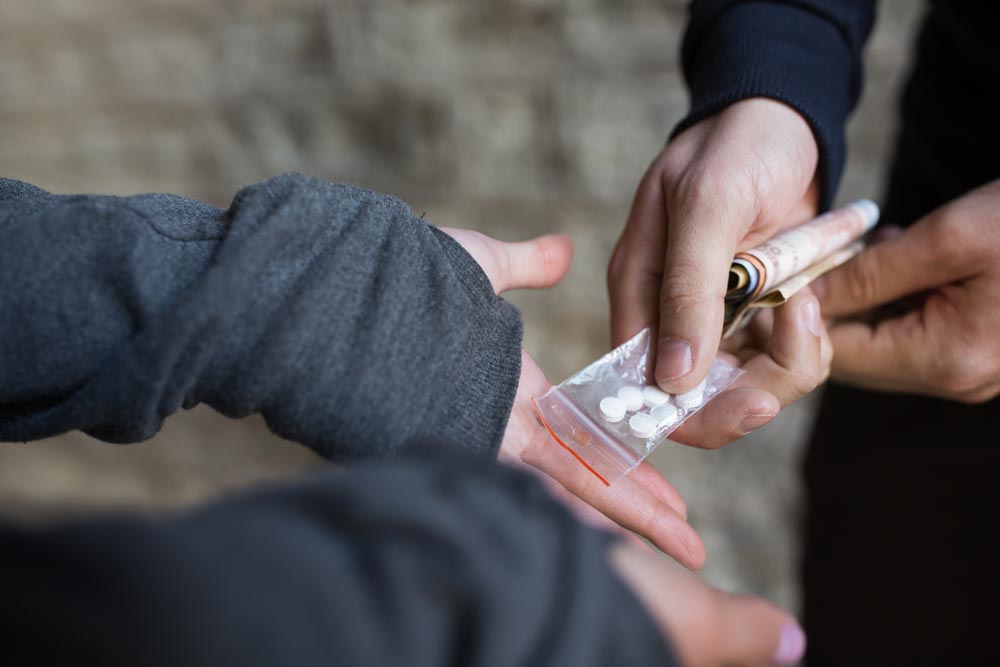
Street‑level dealing continues to play a major role in drug availability. Buyers approach known locations, dealers or intermediaries. Transactions are fast, cash based and designed to avoid detection.
This method is familiar but risky. Buyers face contaminated products, violence, theft and police intervention. Despite these dangers, street dealing remains a core supply channel for methamphetamine, heroin and other high‑risk drugs.
How prescription medication is obtained illegally
Prescription drug diversion is a growing concern. People obtain painkillers, benzodiazepines, ADHD medication and anti‑anxiety drugs illicitly through several pathways:
- Doctor shopping — visiting multiple doctors to obtain overlapping prescriptions.
- Pharmacy theft — stolen medication entering the illicit market.
- Selling or sharing medication — individuals passing on their prescribed drugs.
- Online diversion — people advertising medication through social platforms or encrypted channels.
These may be prescribed medications, but they can still impair judgement, slow reaction times and increase risk — whether it’s on the roads, in workplaces or in everyday life.
How people purchase illegal drugs online
Online drug purchasing has expanded rapidly. Cryptomarkets, encrypted messaging apps and social media channels now play a major role in illicit drug supply.
Research from UNSW’s National Drug and Alcohol Research Centre highlights thousands of listings for MDMA, cocaine, methamphetamine, cannabis, prescription opioids and benzodiazepines on cryptomarkets between June 2025 and May 2026. These platforms offer anonymity, broad product choice and vendor reviews, making them attractive to buyers who want to avoid face‑to‑face dealing.
Cryptomarkets typically rely on:
- Encrypted browsers
- Digital currencies
- Vendor rating systems
- Postal delivery networks
These systems make online drug purchasing feel sophisticated, but they remain illegal and risky. Law enforcement agencies monitor cryptomarkets, intercept postal packages and track digital transactions.
Social media and encrypted messaging apps
Social media platforms and encrypted messaging apps have become informal marketplaces. People advertise drugs through private groups, coded posts or direct messages. Encrypted apps allow fast communication, location sharing and quick delivery arrangements.
This method is common among younger buyers who prefer digital communication over traditional street dealing. It also means drug access can occur at any time, including before or during work shifts.
Why drug testing in the workplace is essential
What does all the above mean for workplaces? Potential risk.
For employers, drug availability is often easier than expected. If someone wants to obtain illicit drugs — whether illegal substances or prescription medication without a script — they can.
And in safety‑sensitive workplaces, these substances can spell trouble. They contribute to impairment, accidents and unsafe behaviour at work, making drug testing in the workplace an important control measure.
Staying ahead of emerging drug trends
Drug markets evolve quickly. Cryptomarkets grow, social platforms shift and prescription diversion continues. Staying informed helps employers respond effectively and maintain safe workplaces.
Integrity Sampling supports organisations across Australia with reliable, evidence‑based on‑site drug testing services. If you need assistance with workplace drug testing or want to understand emerging risks, our team is ready to help.
FEATURED IMAGE CAPTION:
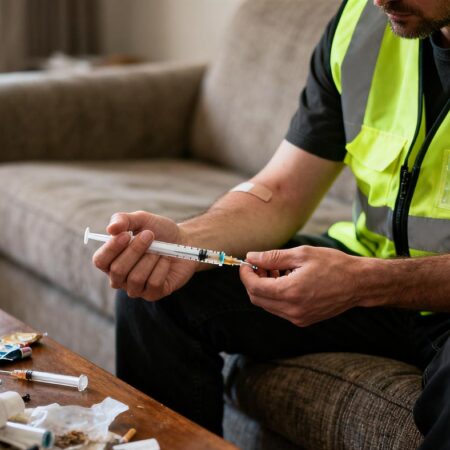
Knowing how people buy illegal drugs is interesting, but it’s even more meaningful for drug testing in workplaces.