
There have been recent changes to the NSW Rail Safety National Law that most passengers will never notice—but rail workers will. Particularly when they next line up to undertake workplace drug testing.
So, what exactly has changed? And are there lessons here for other NSW workplaces looking to improve their approach to drug and alcohol testing?
What are the railway workplace drug testing changes?
The biggest shift is simple. Urine drug testing is no longer mandatory. Since the start of the year, rail operators in NSW are no longer required to rely solely on urine drug testing. Instead, the law allows a range of approved testing methods, including:
- Oral fluid (saliva) testing
- Breath alcohol testing
- Blood testing where required
The goal is simple for a workplace where workers truly have other people’s lives in their hands. Improve safety while allowing more effective and practical testing methods.
What this means for rail safety workers
If you work in a rail safety role, these changes directly affect you. It’s not just the type of testing that has been expanded. There’s also a goal to randomly test at least 25 per cent of rail safety workers in the commercial side of the business annually, both for drugs and alcohol. Testing will also be required following prescribed incidents.
But its the shift away from urine testing exclusively that is the major change. So why have they done it?
The Office of the National Rail Safety Regulator provide the clearest indication in their Expanded options for drug testing in NSW Fact Sheet. As stated in the fact sheet: “NSW rail transport operators should undertake a risk assessment to determine the testing types which are most appropriate for the risks they are managing. For example, oral fluid testing may be appropriate for detecting recent use, while urine testing may be appropriate for detecting longer term use.
The move away from mandatory urine testing recognises the limitations of this drug testing method. Like many workplaces, the NSW rail transport operators are now focusing more on detecting recent drug use. This better aligns with safety outcomes, especially in high-risk industries like rail.
The rise of saliva drug testing
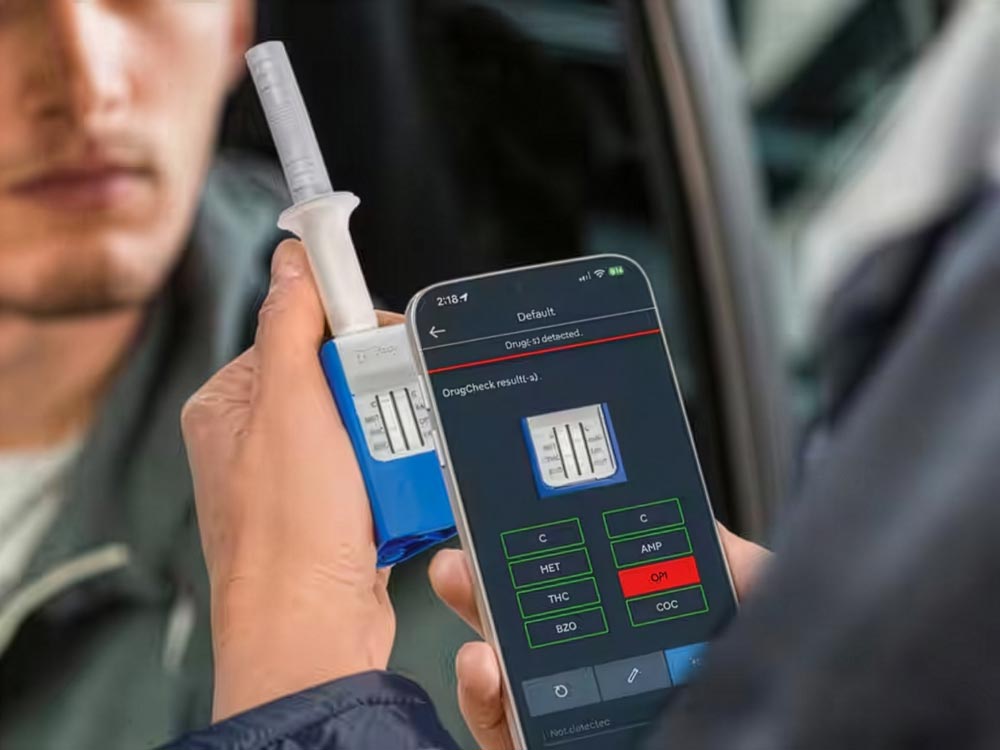
Saliva drug testing is becoming the preferred method in many workplaces. While its focus on recent use is the main reason, it’s not the only one. Saliva testing is also faster and less invasive. This improves both compliance and efficiency on site.
Summary of benefits of saliva testing over urine testing:
- Better detection of recent use. Saliva testing targets recent drug consumption. This helps identify workers who may be impaired on the job.
- Less invasive process. There is no need for private facilities or potentially awkward supervised collection. This makes testing simpler and more comfortable.
- Fast results. On-site saliva tests can deliver results quickly. This reduces downtime and allows faster decision-making.
- Lower risk of tampering. Saliva samples are harder to manipulate compared to urine samples. This increases confidence in the results.
- Improved workplace acceptance. Workers are generally more comfortable with saliva testing. This can improve cooperation and reduce resistance.
Wider workplace drug testing lessons for NSW workplaces
While these changes apply to the rail industry, the implications go further. All safety-focused workplaces in NSW should take note.
Key takeaways include:
- Review your current drug and alcohol policy
- Consider whether your testing methods match your safety goals
- Focus on detecting impairment, not just historical use
- Ensure compliance with current Australian Standards
The shift in rail regulations reflects a broader trend. Workplaces are moving toward smarter, more targeted testing strategies.
How Integrity Sampling can help
At Integrity Sampling, we help NSW businesses stay compliant and effective. While we do provide urine drug testing, if that’s your preferred method, we recommend saliva testing for the benefits listed above.
We work with organisations to:
- Review and update drug and alcohol policies
- Implement saliva and urine testing programs
- Ensure compliance with Australian Standards
- Train staff and supervisors
Whether you operate in rail, construction, transport, or mining, we can tailor a solution to your needs. Contact us today.
FEATURED IMAGE CAPTION:
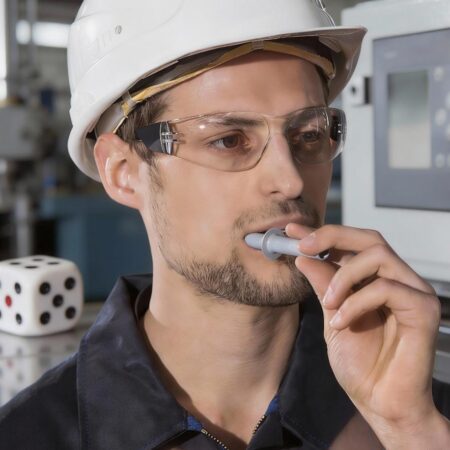
NSW rail drug testing laws have changed in 2026, with a move away from mandatory urine testing to greater use of saliva drug testing methods. Credit Goran Has (image modified) https://shorturl.at/ZYt9y