

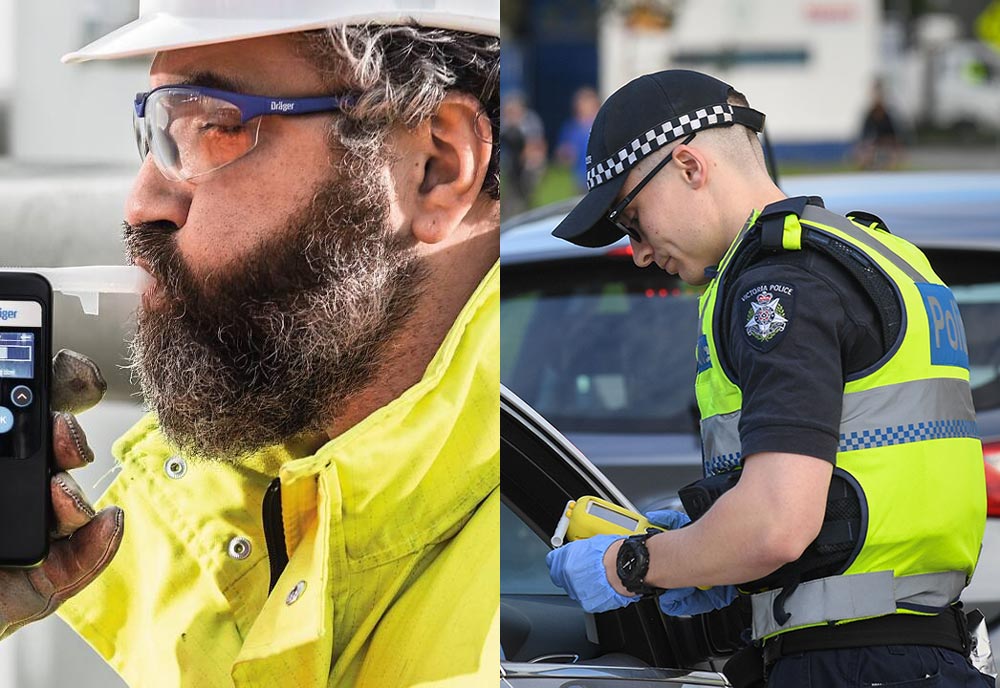
Over the past 50 years, Australia has made huge strides in reducing alcohol-related harm on our roads. Random breath testing, education campaigns and strong enforcement have dramatically lowered drink driving rates.
Has this cultural shift also occurred in workplaces?
Today, alcohol accounts for less than 3% of positive workplace tests, according to our data. This is a huge improvement compared with decades ago, and it shows that many workers now understand that coming to work under the influence is unacceptable—especially in safety-critical roles such as construction, transport, manufacturing, and mining.
However, alcohol impairment still presents serious risks. Even small amounts, or residual alcohol from the night before (“next day impairment”), can affect coordination, concentration, reaction times, and decision-making. In workplaces where safety is paramount, even a single impaired worker can increase the risk of incidents or injuries.
Interestingly, while alcohol positives are relatively low, other substances such as cannabis and methamphetamines appear more frequently in workplace testing programs. For example, THC (the main psychoactive component of cannabis) accounts for around 45% of positives, and methamphetamines around 19%.
This highlights that, while we’ve made progress with alcohol, new risks are emerging that require ongoing attention.
Our latest newsletter explores:
- How alcohol trends in workplaces mirror changes on Australian roads
- The importance of detecting and managing alcohol impairment
- How workplace testing programs support a culture of safety and accountability
Read the full newsletter to learn why alcohol testing remains a critical tool in protecting your team, your business, and the wider community.