

When it comes to workplace drug and alcohol management, there are a few non-negotiables that every employer must follow. For example, a workplace must have a clear drug and alcohol policy. If drug testing forms part of that approach, the policy must explain how testing is conducted. It also must detail how results are managed. And, perhaps most importantly, if a screening result is non-negative, they must wait for confirmation results before rushing into a decision.
A recent Fair Work Commission case highlights what can happen when important workplace drug and alcohol management steps are rushed. Or dare we say, when workplace drug and alcohol management goes to sleep!
The case involved a heavy vehicle driver who was awarded more than $35,000 after being dismissed following a positive roadside drug test. So, what did the employer get so wrong?
The incident that triggered the dismissal
The case involved a truck driver who was driving for a mattress manufacturer. He was stopped by NSW Police while driving a heavy vehicle last year. A roadside drug test returned a positive result for cannabis.
The driver later admitted to his employer that he had smoked cannabis socially on the weekend, a few days before. He claimed he was not impaired while at work.
Despite this, the company prepared a termination letter. This was four days before a formal disciplinary meeting was held. Immediately after the meeting, the letter was handed to the driver and his employment was terminated.
The Fair Work Commission case
The driver challenged the dismissal at the Fair Work Commission, arguing that he was not impaired while working and that he had been denied procedural fairness.
The Commission found that the employer had acted with undue haste. The termination decision had effectively been made before the driver was given a reasonable opportunity to respond to the allegations. And before NSW Police had provided a confirmation test result.
This in effect breached the employer’s own drug and alcohol policy. The policy prohibits employees being under the influence of drugs while working but requires evidence of impairment. The preliminary roadside test on its own was not evidence enough. By not waiting for the confirmation test results, the employer had failed to wait for any evidence to be provided.
Failing an initial drug test doesn’t mean the test is positive
Failing a roadside drug test or a drug test at work can feel serious. But it doesn’t necessarily mean that you’ve provided a positive drug result.
On the roadside and at work, what you have failed is a preliminary drug test. This initial test is a screening tool only. It does not trigger penalties on its own. After a positive preliminary result, you will be asked to provide another saliva sample. This sample is sent to a laboratory for confirmation testing.
While roadside and workplace saliva tests are highly accurate, they are not perfect. False positives can occur, which is why no action is taken at the screening stage.
The laboratory uses advanced analysis to identify specific drugs with a high level of certainty. Only if the laboratory confirms the presence of prohibited substances can roadside penalties or workplace action occur.
The financial consequences of poor workplace drug and alcohol management decisions
The Commission calculated that the driver would likely have remained employed for another six months. Based on his average weekly earnings of $1,720, compensation was assessed at more than $34,000.
This amount was reduced by 30 per cent to reflect the driver’s off-duty conduct. The final order required the employer to pay $31,304 in compensation plus $3,600 in superannuation, payable within 28 days.
For employers, this case shows how quickly the cost of poor workplace drug and alcohol management can escalate. In this case, the mattress manufacturer should have:
- Waited until they received the confirmation test result
- Only then, talked to the driver about his actions
- After the meeting, they would then have been in their rights to terminate the driver’s employment, providing this followed their drug and alcohol policy
By jumping the gun and not following the correct steps, they provided ample leeway for the driver to win the case at the Fair Work Commission.
How Integrity Sampling can help
Integrity Sampling supports employers with compliant, practical workplace drug and alcohol management programs. This includes policy development, education, and testing processes aligned with Australian Standards and fair work expectations.
By taking a structured and evidence-based approach, businesses can improve safety in their workplace while reducing legal risk.
FEATURED IMAGE CAPTION:
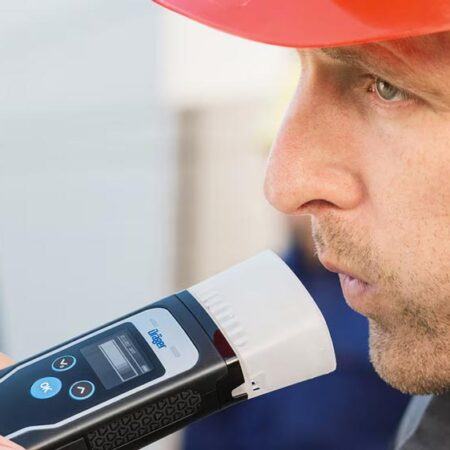
A truck driver returning a positive drug testing result may sound like reasonable grounds for termination, but as a Fair Work Commission case highlights, it’s important to follow correct procedure.