

Remember the original VB Beer commercial? You can get it walking. You can get it talking… Matter of fact I’ve got it now. A classic. But we think we’ve come up with a decent alternative: “You can get it working, you can get it driving, you can get it boating. Matter of fact, I’ve just been done now.”
In case you weren’t sure, we’re talking about drug and alcohol testing in WA. While many people assume you can only be caught at work or on the road, there’s another place where testing can catch you — on the water. It’s a good reminder as we head into summer and many WA residents take to the waterways.
WA Marine Drug and Alcohol Testing
Western Australia strengthened its marine safety laws by aligning drug and alcohol rules for skippers with those already in place for road users. Under the new laws, which came into effect just over a year ago, skippers now face the same limits, testing requirements and penalties as drivers.
The laws apply to all recreational vessels — including personal watercraft, sailboats, dinghies and some motorised devices such as electric hydrofoil boards. While paddle craft, windsurfers and kite boards are generally excluded, anyone operating a vessel involved in an incident may still be tested.
Skippers must remain below a breath alcohol concentration of 0.05. Penalties increase at 0.08 and 0.15, mirroring WA road laws. Illicit drug rules also align with road legislation, targeting cannabis, methamphetamine and MDMA.
Being over the limit can result in significant fines, disqualification of a Recreational Skipper’s Ticket, temporary prohibition from operating a vessel and, in serious cases involving death, up to 20 years in prison.
Department of Transport and WA Police officers can conduct roadside-style testing on waterways when a skipper is suspected of being impaired, or after any incident resulting in serious injury or death. If the operator can’t be identified, everyone on board may be tested. Even if a vessel is secured at anchor or on a mooring, officers may still test if they believe someone under the influence has recently operated, or intends to operate, the vessel.
The message behind the laws is clear: alcohol and boating don’t mix. Conditions on the water — sun, wind and waves — amplify the effects of alcohol and impair judgment and coordination for both skippers and passengers. Staying sober is essential to staying safe.
Lack of Drug and Alcohol Testing on WA Waters Under Question
While the new laws have been in place since November 2024, the robustness of their enforcement is being questioned.
Recently, the ABC reported that only 29 drug and alcohol tests had been conducted on WA waters as of 28 August. Eleven people failed their test results. Three fines have been issued, and court proceedings are underway for the remaining cases.
A Department of Transport and Major Infrastructure spokesperson said drug and alcohol testing on WA waterways is not conducted randomly; it occurs only when a skipper is suspected of being under the influence. This — combined with a slowdown in boating during winter — is the main reason for the low number of tests.
Alcohol in Particular a Risk on the Water
Drug and alcohol testing on our waterways is vital because research shows people are more likely to take risks on boats than in cars — especially when alcohol is involved.
In the ABC article, drowning prevention researcher Amy Peden from the University of New South Wales emphasised that policing on the water is essential.
“We do know that changing behaviour, particularly in a nation that loves to drink like we do in Australia, is very challenging, and so changing behaviour alone through awareness and education doesn’t really cut it, we do need other strategies,” she said.
Dr Peden added that legislation must be backed by enforcement to be effective:
“It’s all well and good to have this legislation, [but] we do need to be out there enforcing it to make sure that people aren’t drinking and operating their vessel.”
Note: Integrity Sampling conducts drug and alcohol testing in WA workplaces, including for the maritime industry. With 10 locations across the state, we’ve got all your workplace drug and alcohol management needs covered.
FEATURED IMAGE CAPTION:
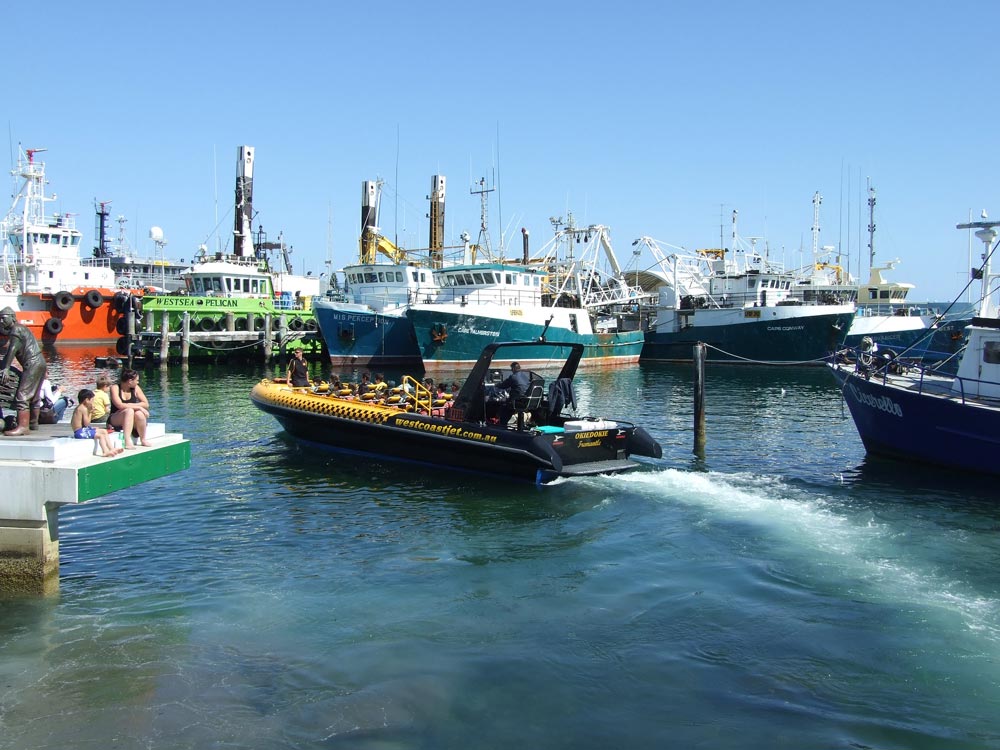
It’s one thing to introduce drug and alcohol testing on WA waterways, it’s another thing to enforce it. Credit eGuide Travel https://www.flickr.com/photos/eguidetravel/4968941101/