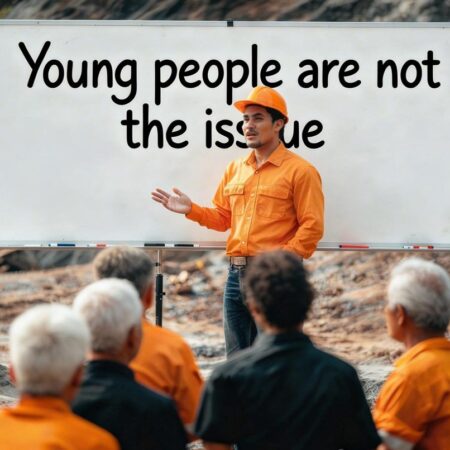


If you’re a typical middle‑aged Australian man, there’s a reasonable chance you drink alcohol at risky levels.
This statement may sound harsh, but the data backs it up. National research, including the National Drug Strategy Household Survey, shows that men aged 30 to 59 are one of the groups most likely to drink above Australia’s alcohol guidelines.
From a workplace perspective, this matters. Risky drinking increases workplace alcohol risk, affects fitness for work, and can quietly raise the chance of accidents, fatigue, and impaired decision‑making. It also highlights a problem we see often: it’s not younger people who are most likely to drink at risky levels. Yet prevention efforts outside the workplace — and sometimes within — often focus heavily on youth.
Risky drinking is not just a young person’s issue
Australia’s first national in‑depth study into alcohol use among middle‑aged men confirms that risky drinking is widespread in midlife.
The research, led by Flinders University in partnership with the Alcohol and Drug Foundation (ADF), found that 43 per cent of men aged 30 to 59 exceed national alcohol guidelines. That equates to more than 2.2 million men drinking at above recommended levels. And it increases both personal and workplace alcohol risk.
This challenges the common assumption that risky drinking is mainly a youth issue. While younger people often receive the most attention in public health campaigns, the data shows that middle‑aged men remain a high‑risk group — and progress in reducing risky drinking has been slower among them.
For workplaces, it’s yet another lesson that prevention efforts must be targeted where the risk actually sits.
Why midlife drinking increases workplace alcohol risk
Midlife is a period when drinking can shift from occasional to routine. Alcohol becomes a regular part of social life, work culture, or stress management. This pattern can quietly increase workplace alcohol risk.
Risky drinking can:
- reduce alertness and reaction time
- impair concentration and decision‑making
- increase fatigue and poor sleep
- heighten emotional reactivity
- increase the likelihood of accidents and injuries
- contribute to long‑term health issues
These factors directly affect safety‑critical roles, shift work, and high‑risk environments such as transport, construction, mining, logistics, and manufacturing.
Workplaces cannot assume younger workers are the primary risk group. The evidence shows risky drinking is common across ages, but especially among middle‑aged men.
Stress influences drinking differently across midlife
The Flinders University study found that psychological distress plays a different role depending on age.
Men aged 30 to 44 who reported high psychological distress were significantly more likely to drink at risky levels. In contrast, psychological distress was not strongly linked to risky drinking among men aged 45 to 59.
This suggests that younger middle-aged men may be more likely to use alcohol as a coping mechanism, while older midlife men may drink for different social or cultural reasons.
For workplaces, this means that stress management, wellbeing support, and early intervention programs must be tailored, not generic. Understanding how stress influences drinking helps reduce workplace alcohol risk.
Regional men face higher workplace alcohol risk
Men living in regional, rural, and remote areas were far more likely to drink at risky levels than those in major cities.
In many regional communities, drinking is a central part of social life. But access to support services can be limited, making early intervention more challenging.
This has clear implications for workplaces. Businesses in regional areas may need stronger fit‑for‑work systems, more frequent education, and clearer reporting pathways to manage workplace alcohol risk effectively.
Work culture shapes drinking patterns
The study found that men working in managerial, trade, and technical roles were more likely to drink above recommended limits. Work culture, social expectations, and stress can all contribute.
For many middle‑aged men, alcohol is closely tied to:
- workplace social norms
- end‑of‑week routines
- stress relief
- team bonding
- industry culture
This means workplaces play a critical role in shaping safer behaviours and reducing workplace alcohol risk.
Why workplaces must act now
The Alcohol and Drug Foundation’s CEO, Dr Erin Lalor AM, says the findings reinforce the need for targeted approaches. A “one size fits all” model does not work when the drivers of risky drinking vary across age, occupation, location, and mental health.
For workplaces, this means:
- avoiding the assumption that younger workers are the main risk group
- recognising midlife men as a key focus for prevention
- strengthening fit‑for‑work systems
- using drug and alcohol testing as an early indicator
- supporting employees through wellbeing programs
- addressing stress, fatigue, and workload
- building a culture where people feel safe to seek help
Reducing alcohol intake at any age has many benefits, including lower risk of accidents, injuries, dependence, liver disease, and cancer. It can also improve sleep, energy, mental health, relationships, and financial wellbeing.
Middle‑aged men drive a significant portion of workplace alcohol risk in Australia. Understanding the factors behind midlife drinking helps workplaces strengthen fit‑for‑work systems, reduce impairment, and protect safety across all industries.
Alcohol guidelines in Australia
Risky drinking in Australia is defined by the National Health and Medical Research Council (NHMRC) through the Australian Guidelines to Reduce Health Risks from Drinking Alcohol.
These guidelines state that adults should drink no more than 10 standard drinks a week and no more than 4 standard drinks on any one day. Drinking above these limits increases the risk of short‑term harms, such as accidents and injuries, and long‑term harms, including liver disease, cancer, heart disease, and dependence.
The NHMRC developed these recommendations by reviewing decades of medical research on alcohol‑related harm. The limits were chosen because they represent the point where the risk of injury, chronic illness, and premature death begins to rise sharply.
FEATURED IMAGE CAPTION:
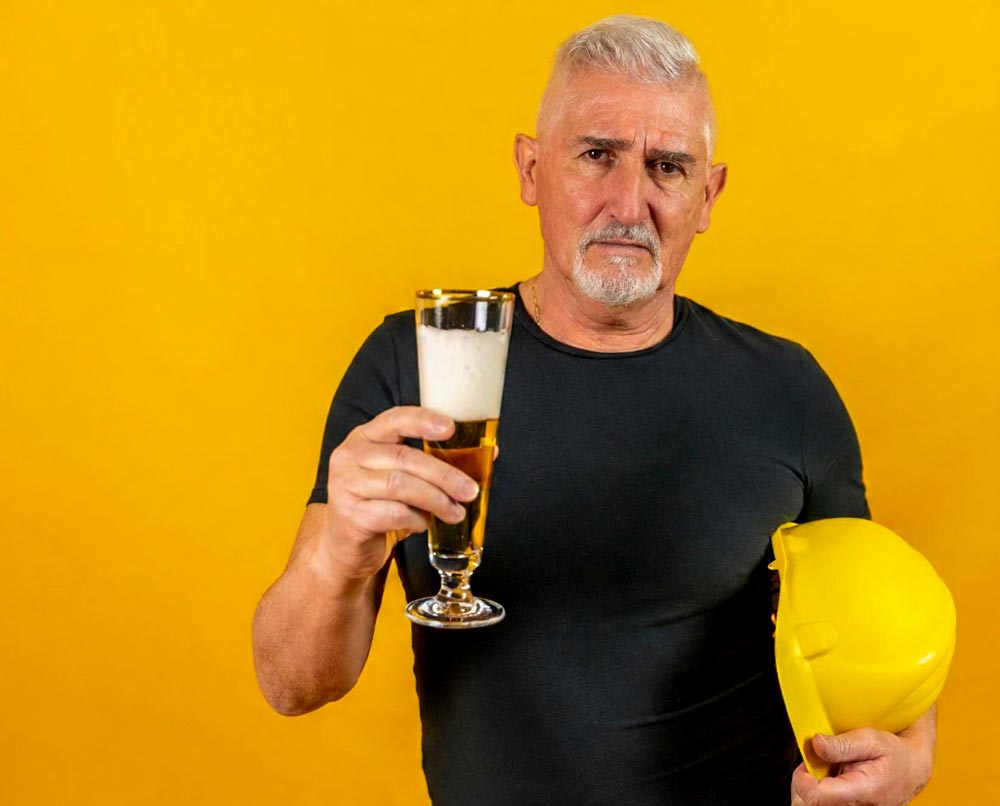
Middle-aged Australian men enjoy a beer. More men in this group are drinking at risky levels, which can impact workplaces safety.