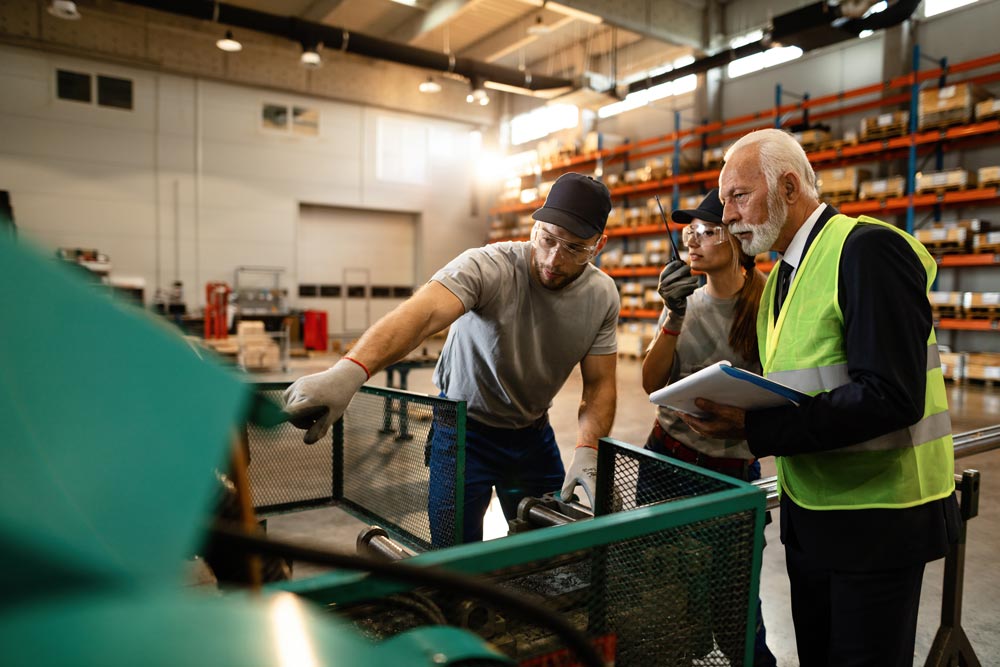
Ask who is responsible for safety in a workplace and most people point straight to management. That response may be convenient, but it’s also incomplete. Workplace safety, including workplace drug and alcohol management, fails when responsibility is outsourced to leadership alone. It only works when every person on site accepts that safety is their responsibility.
In this blog, we’ll look at how a successful workplace drug and alcohol management program does not happen by chance. It is built through clear systems, shared expectations, and consistent action. And it only works when everyone is involved and on board.
The importance of workplace drug and alcohol management
Every workplace has safety risks and in a workplace where safety is vital, drugs is one of them. Impairment can lead to accidents, injuries, equipment damage, and poor decision-making. Over time, it can also affect morale, productivity, and business reputation.
Importantly, Australian work health and safety laws require both employers and workers to take reasonable steps to keep workplaces safe. This includes managing hazards linked to drugs and alcohol. Failing to do so can result in legal consequences, serious harm, or worse.
Therefore, effective workplace drug and alcohol management is not optional. It is a core part of responsible business operation.
Leadership sets the standard
If we rephrased the question in the opening paragraph and ask who is responsible for setting the standards in workplace safety, then management is the answer.
Strong workplace drug and alcohol management always starts with leadership. When business owners and managers take the issue seriously, the rest of the organisation is more likely to follow.
First, leaders must establish a clear and practical drug and alcohol policy. Better still, they should do this in conjunction with employee representatives. This policy should explain expected behaviour, outline testing processes, and describe what happens if someone does not comply. It should also align with current legislation and industry standards.
Next, policies must be supported by education. Workers need to understand why the policy exists and how impairment affects safety. Regular training sessions, toolbox talks, and clear communication help reinforce these messages. Over time, this reduces confusion and removes stigma.
In addition, good leadership means providing support. Some workers may be dealing with substance issues outside of work. Access to employee assistance programs, counselling services, or external support providers encourages early intervention. As a result, problems can be addressed before they escalate.
Finally, in high-risk industries, drug and alcohol testing plays an essential role. Testing helps confirm that workers are fit for duty and supports a consistent approach to safety. When used correctly, testing strengthens trust and accountability across the workplace.
The role employees play in workplace safety
While leadership sets direction, employees play an equally important role. Workplace drug and alcohol management only works when workers take personal responsibility for their actions.
In fact, it’s the law. Under work health and safety laws, employees must take reasonable care not to endanger themselves or others. Turning up to work impaired breaches this obligation. In serious cases, it can also lead to prosecution.
Beyond legal duties, there is a personal responsibility. Impairment increases the risk of injury, especially in physically demanding or high-risk roles. For workers with families or dependents, staying safe at work protects more than just their own wellbeing.
In addition, working under the influence puts colleagues at risk. A single mistake can have lifelong consequences for everyone involved. Preventing harm is always easier than living with regret.
Substance use can also worsen other health risks. Heat stress, dehydration, fatigue, and reduced concentration are all more dangerous when drugs or alcohol are involved. Over time, this can contribute to long-term health issues and reduced work capacity.
Employees support workplace drug and alcohol management by taking practical steps, including:
- Understanding their workplace drug and alcohol policy and always following it
- Attending education and awareness sessions to stay informed
- Making safe choices before and during work
- Speaking up if they believe a coworker may be impaired
Raising concerns is not about punishment. Instead, it is about preventing harm and helping people access support when they need it.
Creating a shared safety culture
The message behind effective workplace drug and alcohol management is simple. Safety works best when everyone is involved.
National Safe Work Month highlights this idea each year with the message that safety is everyone’s business. This applies across all industries, particularly those in safety-focused environments like construction, transport, aviation and manufacturing.
When drug and alcohol management becomes part of everyday safety conversations, workplaces become safer, healthier, and more productive. Clear policies, ongoing education, fair testing programs, and shared responsibility all play a role.
Ultimately, managing drug and alcohol risks at work protects people. It also protects businesses. Most importantly, it ensures that everyone goes home safe at the end of the day.
FEATURED IMAGE CAPTION:
Effective workplace drug and alcohol management protects workers and businesses. Learn why safety is a shared responsibility and how strong systems reduce risk.